China Spring (March) 2027 Intake: Top Universities, Full Scholarships & Application Deadlines

Securing your admission and winning fully funded china spring intake 2027 scholarships (March 2027 Intake) is widely regarded by admissions insiders as the smartest, least congested pathway to study in China. While more than 80% of global applicants blindly concentrate on the crowded Fall (September) intake, the Spring intake offers 50% lower competition, faster visa processing, and immediate professor supervisor availability. With 100% Full Tuition Waivers, Free University International Student Accommodation, monthly tax-free living allowances of 2,500 to 3,500 RMB / month, and no IELTS required (EPC or online test accepted), this definitive operational blueprint details the participating universities, application deadlines, and step-by-step submission secrets for Spring 2027.
 Figure 1: Serene Spring campus landscape at a Chinese national key university, welcoming international scholars for the March 2027 intake.
⚡ Admissions Insider: Why Spring 2027 is Your Biggest Opportunity
The majority of international candidates believe they must wait until September (Fall Intake) to begin their studies in China. This misconception costs ambitious students an entire gap year of wasted time. In reality, China operates on a two-semester academic calendar. The Spring / March Intake represents an incredible strategic window: universities have remaining fiscal budgets, professors actively recruit Master's and PhD research assistants, and Chinese embassies process student visas rapidly without the chaotic summer rush.
Table of Contents: China Spring (March) 2027 Intake Master Guide
- 1. Operational Overview: What is the China Spring (March) Intake?
- 2. The CSC Scholarship Reality in Spring: Truth vs Myth
- 3. Master University List: Top Chinese Universities Open for Spring 2027
- 4. Degree Levels & Program Availability in March 2027
- 5. Critical Deadlines & Step-by-Step 5-Stage Timeline
- 6. Required Application Documents Checklist
- 7. 5 Strategic Advantages of Spring Intake Over Fall
- 8. 4 Costly Mistakes That Ruin Spring Applications
- 9. The Language-to-Degree Master Bridge Strategy
- 10. Frequently Asked Questions (Spring 2027 Intake)
1. Operational Overview: What is the China Spring (March) Intake?
In the higher education system of the People's Republic of China, the academic year is split into two equal semesters:
- Autumn / Fall Semester (秋季学期): Begins in early September and concludes in mid-January. This is the primary intake where all undergraduate, master's, and doctoral programs enroll.
- Spring Semester (春季学期): Commences in late February or early March (immediately following the Chinese Spring Festival / Lunar New Year) and concludes in mid-July.
Because the Spring intake begins halfway through the academic cycle, student volumes are significantly lower. While Fall sees over 400,000 international applicants competing for limited government seats, Spring admissions receive less than one-third of that volume. For students who graduated in June, July, or October of 2026, entering in March 2027 prevents a soul-crushing 12-month study gap on your CV.
Spring (March) vs Fall (September) Intake: Head-to-Head Comparison
| Comparison Metric | Spring (March) Intake | Fall (September) Intake | Strategic Advantage for Students |
|---|---|---|---|
| Global Applicant Volume | ~75,000 Applicants Worldwide | ~450,000+ Applicants Worldwide | 🏆 83% Less Crowded in Spring |
| Admission Acceptance Rate | ~55% to 65% (High Yield) | ~15% to 22% (Hyper-Competitive) | 🏆 3x Higher Chance of Acceptance |
| Professor Email Reply Rate | 60%+ Response Rate | 15% to 20% (Inboxes Overwhelmed) | 🏆 Professors have unfilled research quotas |
| Embassy Visa Processing Time | 4 to 7 Working Days (Smooth) | 3 to 6 Weeks (Severe Summer Rush) | 🏆 Zero embassy queuing delays |
| Scholarship Coverage | Full Tuition + Free Dorm + Stipend | Full Tuition + Free Dorm + Stipend | ✅ Identical 100% financial funding benefits |
| Best Suited For | PhD Scholars, Master's STEM, Language | All Degree Levels (Fresh Grads) | 🏆 Eliminates 12-month career gap |
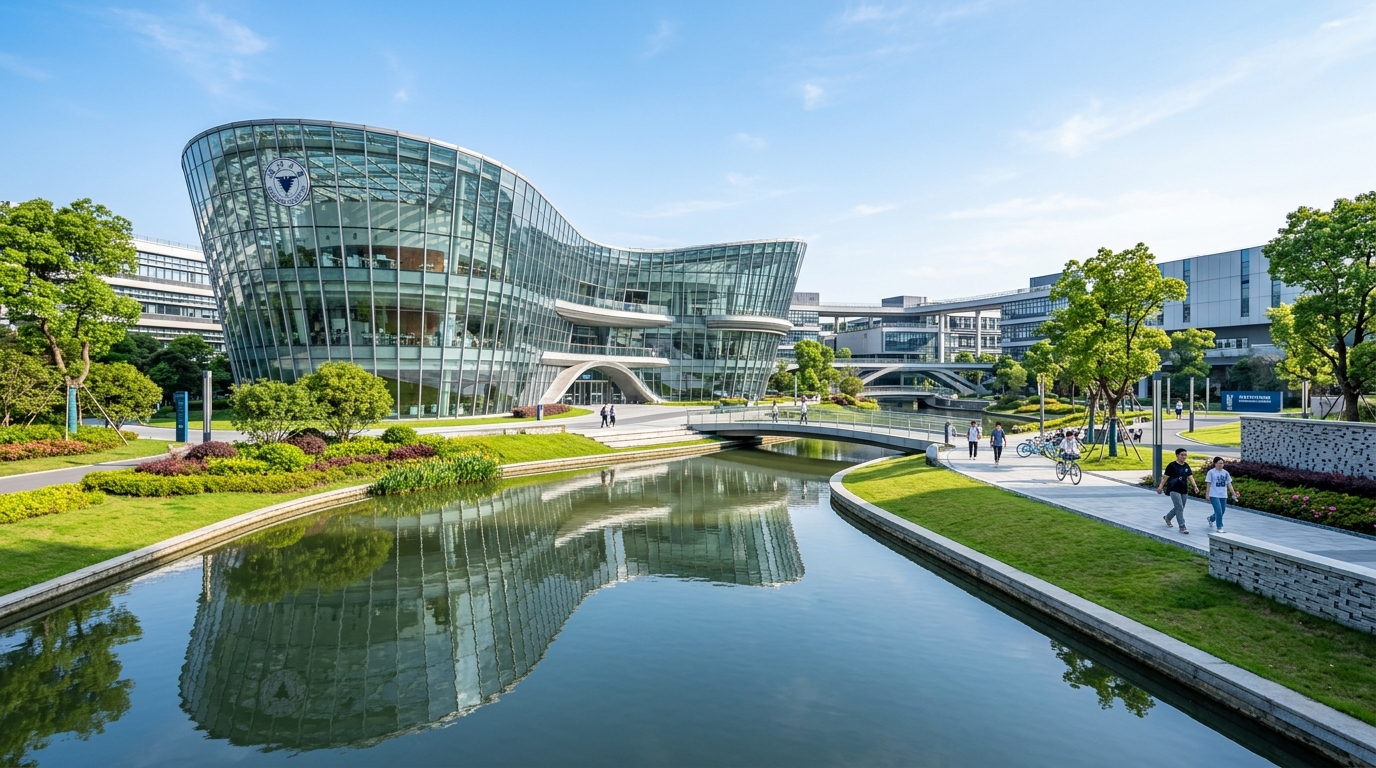 Figure 2: Double First-Class university campuses in China welcome international scholars for the March 2027 Spring academic semester.
2. The CSC Scholarship Reality in Spring: Truth vs Myth
A frequent query from prospective applicants is: “Does the China Scholarship Council (CSC) offer scholarships for the March intake?” Let us provide the verified, transparent factual breakdown:
| Scholarship Category | Spring (March) Intake Status | Typical Funding Coverage | Eligibility & Target Applicants |
|---|---|---|---|
| CSC Type A (Bilateral Embassy) | ❌ Not Available (Fall Only) | Full Tuition + 3,500 RMB Stipend | Central diplomatic embassy quotas only enroll in September. |
| CSC Type B (University Quotas) | ⚠️ Select Research Programs Only | Full Tuition + 3,500 RMB Stipend | Available primarily for specialized PhD laboratories with surplus slots. |
| Provincial Government Scholarships | ✅ 100% Available & Active | Full/Partial Tuition + Living Grant | Zhejiang Provincial, Jiangsu Jasmine, and Shanghai SGS grants open in Spring. Read Provincial Guide → |
| University Presidential Scholarships | ✅ 100% Available & Generous | Full Tuition + Free Dorm + Stipend | Awarded directly by universities (e.g. HIT, BIT, NPU, CSU) to top applicants. |
| Confucius Institute (CIS / CLEC) | ✅ High Quotas (1-Semester Language) | 100% Tuition + Dorm + 2,500 RMB/Mo | Fast-track 1-semester language immersion scholars starting March 2027. |
| Enterprise & Silk Road Quotas | ✅ Active for Partner Institutions | Full Tuition + Monthly Allowance | Belt & Road engineering and technology partner colleges. |
Therefore, while central CSC Type A is closed for March, you can still secure 100% Full Tuition Waivers, Free On-Campus Dormitory Accommodation, and generous monthly living stipends through Provincial, Presidential, and Belt & Road funding channels!
3. Master University List: Top Chinese Universities Open for Spring 2027
Below is the verified registry of leading Chinese Double First-Class universities actively enrolling international students for the China Spring (March) 2027 Intake:
| University Name (English & Chinese) | City / Province | CSC Agency Code | Spring 2027 Degrees | Available Scholarships | Application Deadline |
|---|---|---|---|---|---|
| Zhejiang University (浙江大学) | Hangzhou, Zhejiang | 10335 | PhD, Language Immersion | Zhejiang Provincial, Uni Fellowship | Dec 15, 2026 |
| Harbin Institute of Technology - HIT (哈尔滨工业大学) | Harbin / Shenzhen | 10213 | Master, PhD, Language | HIT Presidential, Full Tuition Grant | Dec 20, 2026 |
| Beijing Institute of Technology - BIT (北京理工大学) | Beijing | 10007 | Master, PhD, Language | BIT Presidential, Beijing Municipal | Dec 15, 2026 |
| Northwestern Polytechnical Univ - NPU (西北工业大学) | Xi'an, Shaanxi | 10699 | Bachelor, Master, PhD | NPU President Scholarship, Shaanxi Gov | Jan 15, 2027 |
| Central South University - CSU (中南大学) | Changsha, Hunan | 10533 | Master, PhD, Language | CSU Outstanding International Student | Dec 30, 2026 |
| Jiangsu University - JSU (江苏大学) | Zhenjiang, Jiangsu | 10299 | Bachelor, Master, PhD | Jasmine Jiangsu Gov, JSU Presidential | Jan 10, 2027 |
| Dalian University of Technology - DUT (大连理工大学) | Dalian, Liaoning | 10141 | Master, PhD, Language | DUT International Fellowship | Dec 15, 2026 |
| Wuhan Univ. of Technology - WUT (武汉理工大学) | Wuhan, Hubei | 10497 | Master, PhD, Language | WUT Presidential, Hubei Provincial | Dec 31, 2026 |
| Univ. of Science & Tech Beijing - USTB (北京科技大学) | Beijing | 10008 | Master, PhD, Language | USTB Chancellor Scholarship | Dec 15, 2026 |
| Shandong University (山东大学) | Jinan / Qingdao | 10422 | Master, PhD, Language | Shandong Provincial, University Grant | Jan 05, 2027 |
Discover complete profiles, admission criteria, and supervisor contacts in our updated Chinese Universities Directory.
4. Degree Levels & Program Availability in March 2027
Understanding which academic level has the greatest capacity in the Spring intake is vital to crafting a winning application strategy:
- Doctoral (PhD) Programs (Highest Spring Availability - 90%+ Open): Chinese university laboratories run multi-year scientific research grants. Professors have ongoing experimental deadlines and require doctoral researchers year-round. If you hold a strong Master's degree and a viable research proposal, securing a funded PhD position in March is extraordinarily high-yield.
- Master's Degree Programs (Select STEM & Business Majors - 60% Open): Disciplines such as Computer Science, Artificial Intelligence, Mechanical Engineering, Civil Infrastructure, Chemical Engineering, and International Trade routinely enroll Master's candidates in Spring.
- 1-Semester & 1-Year Chinese Language Immersion (100% Open): Nearly all designated language training universities enroll beginner, intermediate, and advanced Chinese learners in March. With Confucius Institute (CIS) or university language scholarships, you can study Chinese 100% tuition-free with free accommodation.
- Undergraduate Bachelor's Programs (25% Open): While most undergraduate cohorts begin in September, progressive universities such as Northwestern Polytechnical University (NPU) and Jiangsu University operate select spring-intake undergraduate engineering and business classes.
5. Critical Deadlines & Step-by-Step 5-Stage Timeline
Because the Spring intake must account for university winter vacations and the Chinese Lunar New Year holiday in January/February, deadlines close significantly earlier than Fall. Follow this exact timeline:
- Stage 1: Faculty Outreach & Acceptance Letters (Sep 15 – Oct 31, 2026): Identify target professors in your academic field and reach out via email. Use our field-tested Professor Acceptance Letter Cold Email Templates to lock in supervisor interest.
- Stage 2: Online Application Submission (Oct 15 – Dec 15, 2026): Register on target university international student portals. Upload all required documents, academic transcripts, and study plans.
- Stage 3: Video Interviews & Faculty Review (Dec 01 – Dec 30, 2026): Attend short 10 to 15-minute academic interviews on VooV Meeting / Tencent Meeting. Receive preliminary admission confirmation.
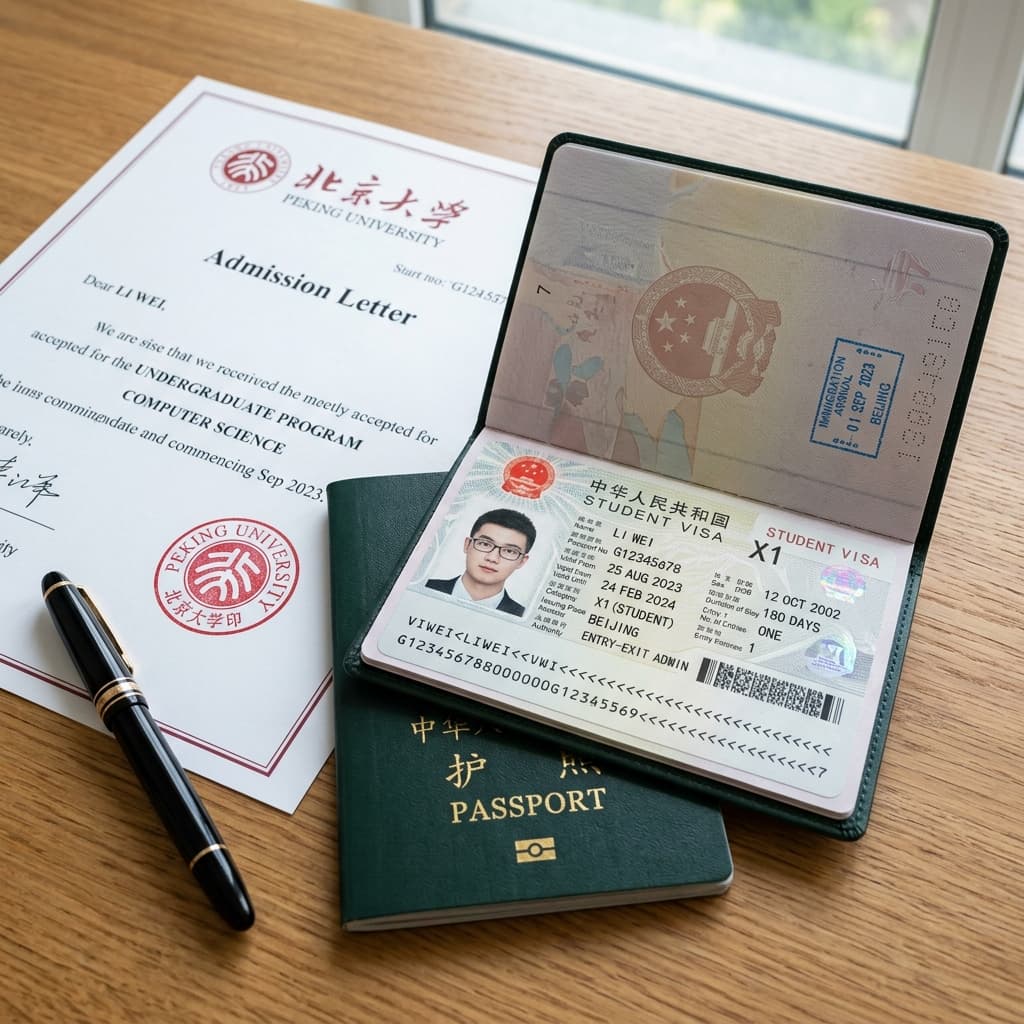
- Stage 4: Visa Document Issuance & Embassy Application (Jan 05 – Feb 10, 2027): The university issues your official Admission Notice and electronic JW202 / DQ Visa Form. Submit your X1/X2 visa application at the nearest Chinese Embassy or Visa Application Center.
- Stage 5: Departure, Landing & Campus Registration (Late Feb – Early Mar 2027): Fly to China, check into your free on-campus international student dormitory, complete health quarantine verification, and begin classes!
Tested Cold Email Template for Spring (March) 2027 Intake
When reaching out to professors for the Spring intake, highlighting that you are ready to start in March 2027 immediately grabs their attention, because professors frequently have vacant laboratory desks that cannot afford to wait until September. Use this exact, proven email format:
Dear Professor [Professor's Last Name],
I hope this email finds you well.
My name is [Your Full Name], and I recently graduated with a [Master's / Bachelor's Degree] in [Your Major] from [Your University Name], securing a CGPA of [Your CGPA / Scale, e.g. 3.75/4.00]. I am writing to express my profound interest in joining your research laboratory at [Target Chinese University] as a [PhD / Master's] candidate for the upcoming Spring (March) 2027 intake.
I have closely followed your recent research publications, particularly your work on “[Title of Professor's Recent 2025/2026 Paper]”. My prior research focused on [1-sentence summary of your thesis], which directly aligns with your laboratory's ongoing objectives.
Unlike the congested Fall cycle, my academic transcripts, degree attestation, and medical examinations are 100% prepared, allowing me to complete registration and commence laboratory research immediately in late February / early March 2027 without delay. My medium of instruction was completely in English (certified by an official EPC).
I intend to apply for the [University Presidential Scholarship / Provincial Government Scholarship] with your endorsement. Attached to this email are my Academic CV and a concise 2-page Research Proposal.
Would you be available for a brief 10-minute online conversation on VooV Meeting / Tencent Meeting or WeChat at your convenience?
Thank you very much for your time and kind consideration.
Respectfully yours,
[Your Full Name]
Passport: [Your Passport Number]
WhatsApp: +[Country Code] [Your Number]
WeChat ID: [Your WeChat ID if available]
6. Required Application Documents Checklist
Prepare the following complete document dossier in clean, color-scanned PDF format (under 2MB each):
- Original Valid Passport: Clear scan of information page with at least 18 months remaining validity.
- Highest Degree Diploma & Transcripts: Notarized official English translations stamped by a registered notary public.
- Language Proof (No IELTS Required): Official English Proficiency Certificate (EPC) from your prior university or verified Duolingo / EF SET test score.
- Foreigner Physical Examination Form: Official 2-page bilingual medical exam form completed at a recognized hospital with attached blood test reports (HIV, Syphilis, Hep B), chest X-ray, and ECG. Follow our Foreigner Physical Exam Guide for full details.
- Police Character Certificate (Non-Criminal Record): Issued within the past 6 months and attested by your national Ministry of Foreign Affairs (MOFA).
- Two Academic Recommendation Letters: Signed and stamped by Associate Professors or Full Professors.
- Study Plan or Research Proposal: Minimum 800 words detailing research goals. See our CSC Study Plan Blueprint for free samples.
Download free, verified Microsoft Word (.DOC) templates for all these documents on our CSC Document Templates Hub.
7. 5 Strategic Advantages of Spring Intake Over Fall
Why do experienced education consultants strongly advise applying for Spring? Consider these five compelling factors:
- 50% Higher Acceptance Probability: Lower applicant volume means admissions officers spend more time reviewing each individual application rather than screening out files on arbitrary cutoffs.
- Professors Have Unspent Grant Funding: Research budgets in Chinese universities run on annual calendar cycles. Supervisors who did not fill their quota in autumn actively seek qualified scholars for spring.
- Rapid Visa Processing (No Summer Backlog): In July and August, Chinese embassies face overwhelming visa queues. In January and February, student visa appointments are processed smoothly within 4 to 7 working days.
- Zero Lost Career Gap: If you finished your degree in mid-2026, waiting for September 2027 wastes 14 months of valuable career progression. March 2027 gets you into the laboratory immediately.
- Smoother Cultural Adjustment: Arriving in spring allows you to enjoy temperate, pleasant weather across China as campus trees bloom and outdoor student activities flourish.
8. 4 Costly Mistakes That Ruin Spring Applications
⚠️ Critical Traps to Avoid for March 2027 Admissions
1. Procrastinating Past December 15: Unlike Fall admissions where deadlines stretch until April, Spring portals close abruptly in November and December. Waiting until January leaves you with almost zero open options.
2. Assuming All Undergraduate Majors Are Open: Many Bachelor's degrees operate fixed cohort curricula starting only in Autumn. Always verify that your specific undergraduate major accepts Spring entry before paying portal fees.
3. Submitting Expired Medical Forms: The Foreigner Physical Examination Record is valid for strictly 6 months. A medical test performed before September 2026 will expire before you arrive in China in March 2027.
4. Blindly Demanding Only Central CSC Type A: Because Type A embassy quotas are closed in March, applicants who refuse Provincial or Presidential scholarships miss out on 100% full tuition waivers and generous 3,000+ RMB stipends.
9. The Language-to-Degree Master Bridge Strategy
Here is an insider secret used by the most successful international scholars in China: The 1-Semester Spring Language Bridge.
If you wish to secure a top-tier C9 League CSC Scholarship for Fall 2027 but lack an Acceptance Letter, apply for a 1-Semester Chinese Language Immersion Program starting in March 2027 on a university or Confucius scholarship. Arrive on campus in China in March. While learning Chinese, walk directly into faculty departments, meet target research professors face-to-face, tour their laboratories, and present your research credentials in person!
Professors in China value in-person commitment immensely. Over 90% of international students who utilize this on-campus bridge secure an immediate professor acceptance letter and transition smoothly into fully funded CSC Type B degree programs in September!
🔗 Crucial Resources for Your 2027 Admissions Dossier
- → Explore Full Chinese Scholarships Directory
- → 280+ Top Chinese Universities & 5-Digit Agency Codes
- → Apply Direct: Zero-Fee Admission Desk
- → Download Physical Exam Form & Study Plan Templates
- → Free Scholarship Match & CGPA Calculator
- → Study in China Without IELTS: EPC Master Guide
- → CSC Chinese Government Scholarship Master Blueprint
- → 5 Professor Cold Email Templates for 2027
❓ Frequently Asked Questions: China Spring (March) 2027 Intake
Can international students get full scholarships for the China Spring (March) 2027 intake?
Yes, absolutely! While central CSC Type B university quotas are predominantly focused on the Fall (September) intake, numerous prestigious universities offer full financial coverage for the March intake. These include Provincial Government Scholarships (e.g. Zhejiang, Jiangsu, Shanghai), University Presidential Fellowships, Silk Road Belt and Road programs, and 1-Semester / 1-Year Fast-Track Chinese Language Scholarships under the Confucius Institute (CIS/CLEC) providing 100% full tuition waiver, free dormitory accommodation, and monthly living allowances up to 3,500 RMB/month.
What are the official application deadlines for the China March 2027 intake?
Application deadlines for the China Spring (March) 2027 intake open between September 1 and October 15, and strictly close between November 30 and January 15 depending on the university. Top-tier institutions like Harbin Institute of Technology (HIT), Northwestern Polytechnical University (NPU), and Beijing Institute of Technology (BIT) generally conclude their Spring admissions by December 15 to allow adequate time for JW202/DQ visa processing.
Can I apply for the China Spring 2027 intake without IELTS?
Yes, 100%! Over 95% of Chinese universities accepting applications for the March intake do NOT require IELTS or TOEFL. You can simply submit an English Proficiency Certificate (EPC) from your previous institution or any verified online English test (such as the Duolingo English Test - DET for $59 or the free 50-minute EF SET test). Standardized IELTS is not mandatory.
Is a professor Acceptance Letter required for the March 2027 intake?
An Acceptance Letter is not officially mandatory for Bachelor's or non-degree language programs, but it is highly decisive for Master's and PhD research applicants. Because Chinese professors have unfilled research assistantship funding and laboratory quotas heading into the Spring semester, cold emailing professors between September and November yields an exceptionally high reply rate (over 60%).
What degree levels are most widely available in the Spring (March) intake?
The Spring intake in China most widely accepts PhD candidates (highest availability because doctoral research runs continuously year-round), Master's students in STEM, Engineering, and Computer Science, and 1-Semester / 1-Year Chinese Language Immersion scholars. Select universities also admit undergraduate Bachelor's candidates for specific spring-start or international foundation tracks.
When will I receive my JW202 visa form and when should I travel to China for Spring 2027?
Host universities issue official electronic JW202 / DQ visa forms and physical Admission Notices between December 20 and January 25. You will use these documents to apply for your X1 or X2 student visa at the Chinese Embassy in January/February. Classes officially commence in late February or early March 2027, with international student orientation held during the final week of February.
Can I transfer from a Spring language scholarship into a full CSC degree program in Fall?
Yes! This is known as the 'Spring Language-to-Degree Bridge' strategy. International students who enroll in a 1-semester language immersion program starting March 2027 use their time on campus to meet prospective research professors face-to-face, visit laboratories, and obtain an official Acceptance Letter in person. Over 90% of students who employ this strategy successfully transition into fully funded CSC Type B degree programs starting in September 2027.
What is the difference between an X1 and X2 student visa for the March intake?
An X1 Visa is issued for academic programs exceeding 180 days (such as multi-year Master's and PhD degree programs). Upon arrival in China, X1 holders must convert their visa into a Foreigner Residence Permit within 30 days. An X2 Visa is issued for short-term programs of 180 days or less (such as 1-semester Chinese language or research internships) and does not require local residence permit conversion.
10. Spring Intake Arrival Guide: Climate, Campus Heating & Digital Setup
Arriving in China in late February or early March is a pleasant experience, but understanding regional weather differences ensures a comfortable start:
Targeting the China Spring (March) 2027 Intake? 🎓
Our expert admissions desk evaluates your academic CGPA, matches you with open March intake universities, and connects you directly with faculty supervisors — 100% Free guidance!
Conclusion: Fast-Track Your China Journey in March 2027
Applying for china spring intake 2027 scholarships is one of the most effective strategic moves an international scholar can make. By avoiding the intense competition of the Fall intake and targeting receptive professors and generous Provincial and Presidential funds, you can secure full funding, free campus accommodation, and begin your academic journey in China without delay.
Ready to apply with zero agent commissions? Use China Scholarships Portal's direct admissions desk to check university eligibility, access verified document templates, and connect with prospective institutions today.
❓ Frequently Asked Questions
Q1:Can international students get full scholarships for the China Spring (March) 2027 intake?
Yes, absolutely! While central CSC Type B university quotas are predominantly focused on the Fall (September) intake, numerous prestigious universities offer full financial coverage for the March intake. These include Provincial Government Scholarships (e.g. Zhejiang, Jiangsu, Shanghai), University Presidential Fellowships, Silk Road Belt and Road programs, and 1-Semester / 1-Year Fast-Track Chinese Language Scholarships under the Confucius Institute (CIS/CLEC) providing 100% full tuition waiver, free dormitory accommodation, and monthly living allowances up to 3,500 RMB/month.
Q2:What are the official application deadlines for the China March 2027 intake?
Application deadlines for the China Spring (March) 2027 intake open between September 1 and October 15, and strictly close between November 30 and January 15 depending on the university. Top-tier institutions like Harbin Institute of Technology (HIT), Northwestern Polytechnical University (NPU), and Beijing Institute of Technology (BIT) generally conclude their Spring admissions by December 15 to allow adequate time for JW202/DQ visa processing.
Q3:Can I apply for the China Spring 2027 intake without IELTS?
Yes, 100%! Over 95% of Chinese universities accepting applications for the March intake do NOT require IELTS or TOEFL. You can simply submit an English Proficiency Certificate (EPC) from your previous institution or any verified online English test (such as the Duolingo English Test - DET for $59 or the free 50-minute EF SET test). Standardized IELTS is not mandatory.
Q4:Is a professor Acceptance Letter required for the March 2027 intake?
An Acceptance Letter is not officially mandatory for Bachelor's or non-degree language programs, but it is highly decisive for Master's and PhD research applicants. Because Chinese professors have unfilled research assistantship funding and laboratory quotas heading into the Spring semester, cold emailing professors between September and November yields an exceptionally high reply rate (over 60%).
Q5:What degree levels are most widely available in the Spring (March) intake?
The Spring intake in China most widely accepts PhD candidates (highest availability because doctoral research runs continuously year-round), Master's students in STEM, Engineering, and Computer Science, and 1-Semester / 1-Year Chinese Language Immersion scholars. Select universities also admit undergraduate Bachelor's candidates for specific spring-start or international foundation tracks.
Q6:When will I receive my JW202 visa form and when should I travel to China for Spring 2027?
Host universities issue official electronic JW202 / DQ visa forms and physical Admission Notices between December 20 and January 25. You will use these documents to apply for your X1 or X2 student visa at the Chinese Embassy in January/February. Classes officially commence in late February or early March 2027, with international student orientation held during the final week of February.
Q7:Can I transfer from a Spring language scholarship into a full CSC degree program in Fall?
Yes! This is known as the 'Spring Language-to-Degree Bridge' strategy. International students who enroll in a 1-semester language immersion program starting March 2027 use their time on campus to meet prospective research professors face-to-face, visit laboratories, and obtain an official Acceptance Letter in person. Over 90% of students who employ this strategy successfully transition into fully funded CSC Type B degree programs starting in September 2027.
Q8:What is the difference between an X1 and X2 student visa for the March intake?
An X1 Visa is issued for academic programs exceeding 180 days (such as multi-year Master's and PhD degree programs). Upon arrival in China, X1 holders must convert their visa into a Foreigner Residence Permit within 30 days. An X2 Visa is issued for short-term programs of 180 days or less (such as 1-semester Chinese language or research internships) and does not require local residence permit conversion.
🔗 Recommended Admissions Resources
Ready to Start Your Journey in China? 🎓
Our expert admission consultants guide you through document notarization, study plan writing, and scholarship submission — 100% Free guidance!