Silk Road Scholarship 2027: Universities List, Agency Codes & Application Guide
The Silk Road Scholarship (Belt and Road Program) 2027 / 2028 Intake represents China's premier government-sponsored academic fellowship for international students from over 140 Belt and Road partner countries. Offering a 100% Full Tuition Fee Waiver, Free On-Campus University Accommodation, and a tax-free monthly living stipend of up to 3,500 RMB / month under the Silk Road Chinese Government Scholarship, this fellowship enables international scholars to earn world-class degrees with no IELTS required (EPC accepted) and zero middleman agency charges.
What is the Silk Road Scholarship (Belt & Road Program)?
The Silk Road Scholarship (丝绸之路中国政府奖学金) is a specialized sub-category of the Chinese Government Scholarship established by China's Ministry of Education (MOE) to support high-level human resource development across partner nations under the Belt and Road Initiative (BRI). Administered by the China Scholarship Council (CSC), its strategic mission is to cultivate engineers, scientists, medical specialists, economists, and public policy leaders who can drive bilateral infrastructure, technological, and commercial cooperation between China and their home countries.
Unlike general CSC scholarships where individual applicants compete in an open global pool against candidates from North America, Europe, and Australia, Silk Road scholarships feature ring-fenced, reserved institutional quotas allocated directly to designated Chinese universities for students from BRI partner nations. This structural design results in substantially higher scholarship award rates for qualified applicants.
Participating Chinese Universities & Official CSC Agency Codes (Complete Table)
Silk Road scholarships are administered through designated Chinese universities under Program Category Type B. Below is the authoritative, comprehensive directory of top Chinese universities offering confirmed Silk Road quotas for the 2027 / 2028 academic intake, including official 5-digit CSC Agency Codes, degree levels, target disciplines, and acceptance probability tiers:
| University Name | City & Location | CSC Agency Code | Degree Levels (English) | Flagship Silk Road Priority Disciplines | Selection Probability & Quota |
|---|---|---|---|---|---|
| Xi'an Jiaotong University (XJTU) | Xi'an, Shaanxi | 10698 |
Master's & PhD | Energy & Power, Electrical, Mechanical, Silk Road BRI Logistics | Very High (~40–45%) — Historical starting point of Silk Road; largest BRI quota |
| Harbin Institute of Technology (HIT) | Harbin, Heilongjiang | 10213 |
Master's & PhD | Aerospace, Robotics, Automation, Materials, Environmental Science | Very High (~40–45%) — Generous departmental allocations and high professor response |
| Zhejiang University (ZJU) | Hangzhou, Zhejiang | 10335 |
BSc, MSc & PhD | Computer Science, AI, Civil & Hydraulic, Cross-Border E-Commerce | High Opportunity (~25–30%) — Elite C9 League; massive tech partnerships |
| Central South University (CSU) | Changsha, Hunan | 10533 |
BSc, MSc & PhD | High-Speed Railway Dynamics, Mining, Metallurgy, Civil Engineering | Very High (~45%) — Global leader in high-speed rail and transportation |
| Tongji University | Shanghai | 10247 |
Master's & PhD | Civil & Structural Engineering, Architecture, Urban Rail Transit | High Opportunity (~25–30%) — Top global civil engineering benchmark |
| Wuhan University (WHU) | Wuhan, Hubei | 10486 |
Master's & PhD | Remote Sensing, Geodesy, Water Resources, International Law | High Opportunity (~25–30%) — World #1 remote sensing research hub |
| Beijing Jiaotong University (BJTU) | Beijing | 10004 |
BSc, MSc & PhD | Railway Transportation, Traffic Information, Supply Chain Management | High Opportunity (~30–35%) — Direct partner of China State Railway Group |
| Chongqing University (CQU) | Chongqing | 10611 |
Master's & PhD | Electrical Power Systems, Civil, Urban Planning, Mechanical | Very High (~40–45%) — Southwestern BRI hub with dedicated foreign grants |
| Lanzhou University (LZU) | Lanzhou, Gansu | 10730 |
Master's & PhD | Chemistry, Ecological Science, Arid Zone Agriculture, Geosciences | Very High (~45%) — Strategic gateway along the ancient Hexi Corridor |
| Dalian University of Technology (DUT) | Dalian, Liaoning | 10141 |
Master's & PhD | Chemical Engineering, Naval Architecture, Offshore Structures | High Opportunity (~35%) — Premier coastal maritime and chemical engineering hub |
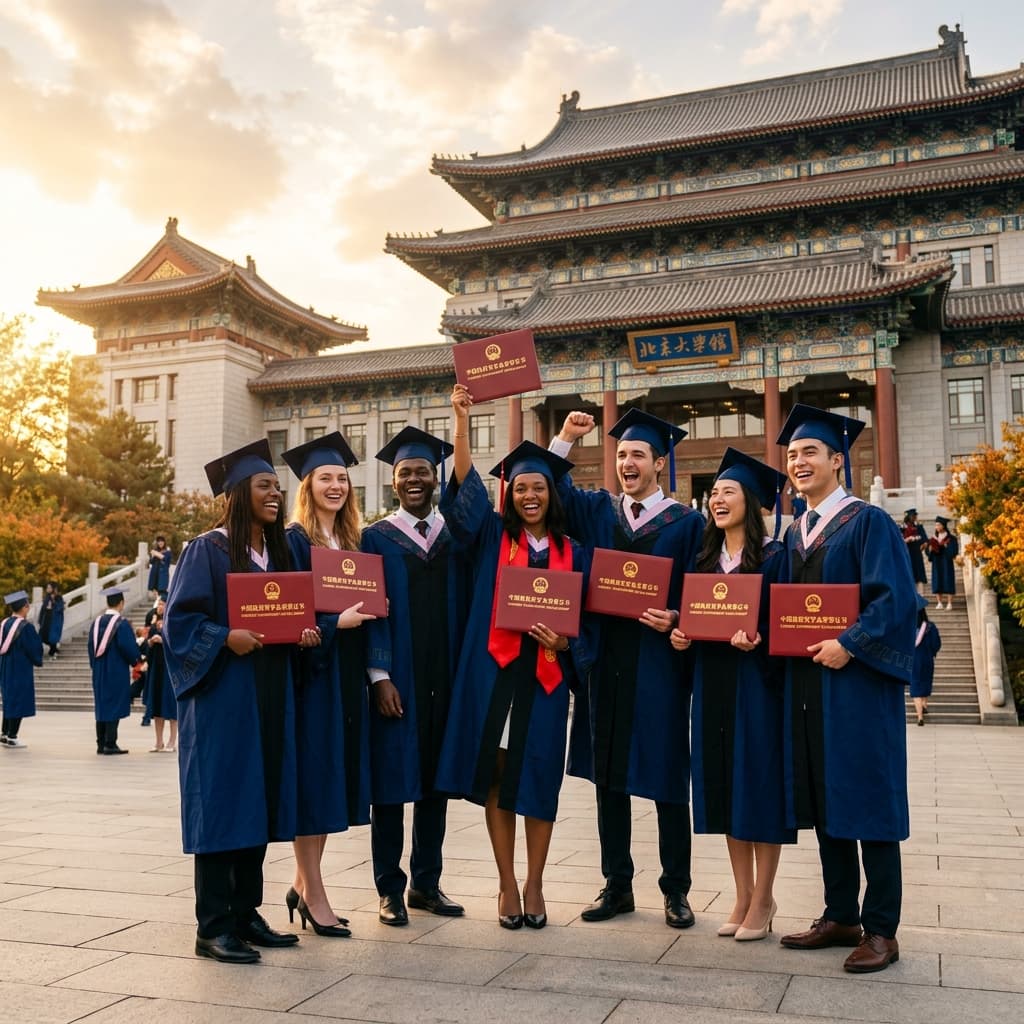
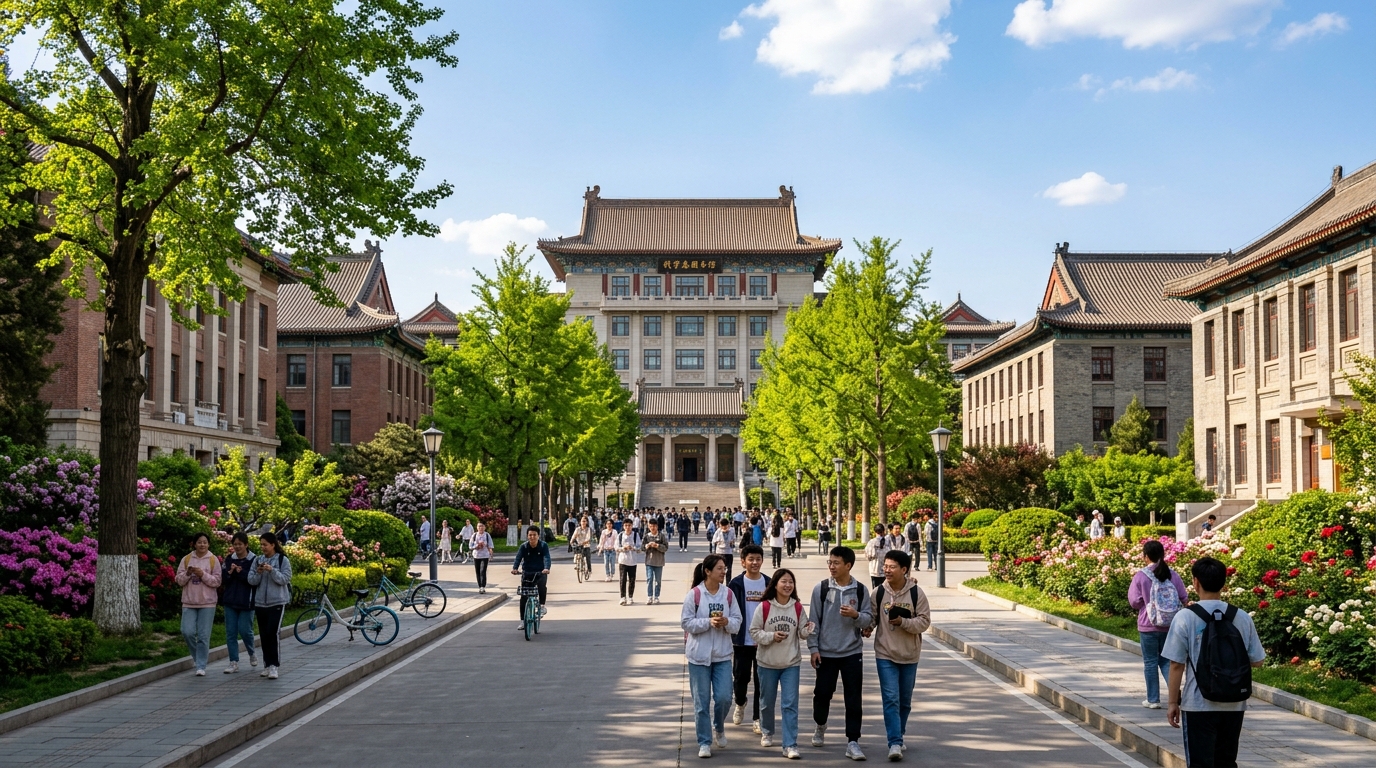 Xi'an Jiaotong University (XJTU): The historic starting point of the ancient Silk Road and China's leading alliance hub for the Silk Road Scholarship.
Silk Road Scholarship Eligibility Criteria & Mandatory Checklist
To successfully qualify for a Silk Road Chinese Government Scholarship for the 2027 / 2028 academic intake, applicants must satisfy five foundational eligibility pillars:
- Citizenship of an Official Belt & Road Partner Nation:
Applicants must hold valid citizenship from a country that has signed official Belt and Road cooperation memoranda with China. This includes:
- South & Southeast Asia: Pakistan, Bangladesh, Sri Lanka, Nepal, Indonesia, Malaysia, Thailand, Vietnam, Cambodia, Laos, Philippines.
- Central & Western Asia: Kazakhstan, Uzbekistan, Kyrgyzstan, Tajikistan, Turkmenistan, Azerbaijan, Georgia, Armenia, Iran, Turkey.
- Middle East & North Africa (MENA): Egypt, Saudi Arabia, UAE, Qatar, Oman, Algeria, Morocco, Tunisia, Jordan, Iraq.
- Sub-Saharan Africa: Kenya, Nigeria, Ethiopia, South Africa, Tanzania, Ghana, Rwanda, Uganda.
- Central & Eastern Europe: Serbia, Hungary, Greece, Poland, Czech Republic, Belarus, Russia.
- Age Thresholds Enforced by the Ministry of Education:
- Bachelor's Degree Candidates: Must be under 25 years of age and hold a certified high school diploma.
- Master's Degree Candidates: Must be under 35 years of age and hold an accredited Bachelor's degree.
- Doctoral (PhD) Research Candidates: Must be under 40 years of age and hold an accredited Master's degree.
- Academic GPA & Transcript Standards: Applicants must demonstrate competitive prior academic performance, generally requiring a minimum cumulative score of 75% (or 3.0 / 4.0 CGPA). Transcripts in STEM disciplines (Calculus, Physics, Engineering) receive priority evaluation.
- Language Proficiency (Zero IELTS Required with EPC): For programs instructed in English, over 95% of universities accept an official English Proficiency Certificate (EPC) issued by your previous university registrar, confirming English as the institutional medium of instruction. Costly IELTS or TOEFL tests are not required. For Chinese-medium degree tracks, HSK 4 (for science/engineering) or HSK 5 (for business/humanities) is required.
- Health & Good Conduct: Candidates must submit a certified Non-Criminal Record (Police Clearance) authenticated by their national foreign ministry and a Foreigner Physical Examination Form completed within 6 months of application.
Silk Road Scholarship vs Standard CSC Scholarship: Key Differences
Understanding the operational differences between the Silk Road Program and standard CSC awards helps applicants tailor their dossiers for maximum impact:
| Evaluation Parameter | Silk Road Scholarship (Type B) | Standard CSC Scholarship (Type A & B) | Strategic Student Advantage |
|---|---|---|---|
| Target Geography | Citizens of 140+ official Belt & Road Initiative nations | Open globally to citizens of all world countries | Zero competition from Western or developed countries |
| Quota Allocation | Departmental project quotas allocated to specific BRI faculties | General university-wide or embassy pool | Significantly higher selection probability for BRI applicants |
| Priority Academic Fields | STEM, Civil Infrastructure, Rail, AI, Energy, Logistics & Trade | All academic subjects across humanities, sciences, arts | Aligning study plans with BRI bilateral projects guarantees high scoring |
| Financial Package | 100% Tuition + Free Dorm + 2,500–3,500 RMB Stipend + Insurance | Identical 100% full funding package | Paid directly into Chinese bank accounts monthly (tax-free) |
| Application Channel | Applied directly to designated host universities (Type B) | Type A (Bilateral Embassy) or Type B (University) | Direct self-application with zero embassy involvement required |
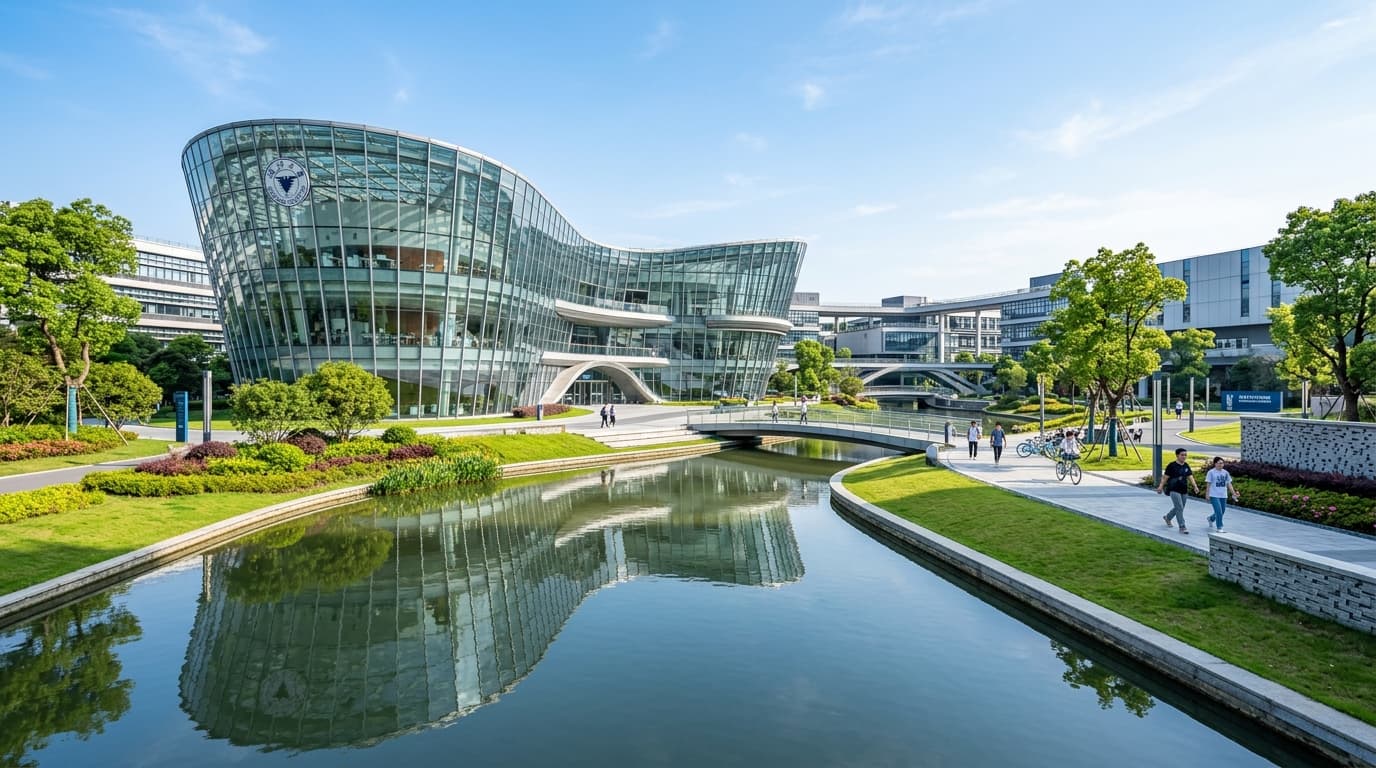
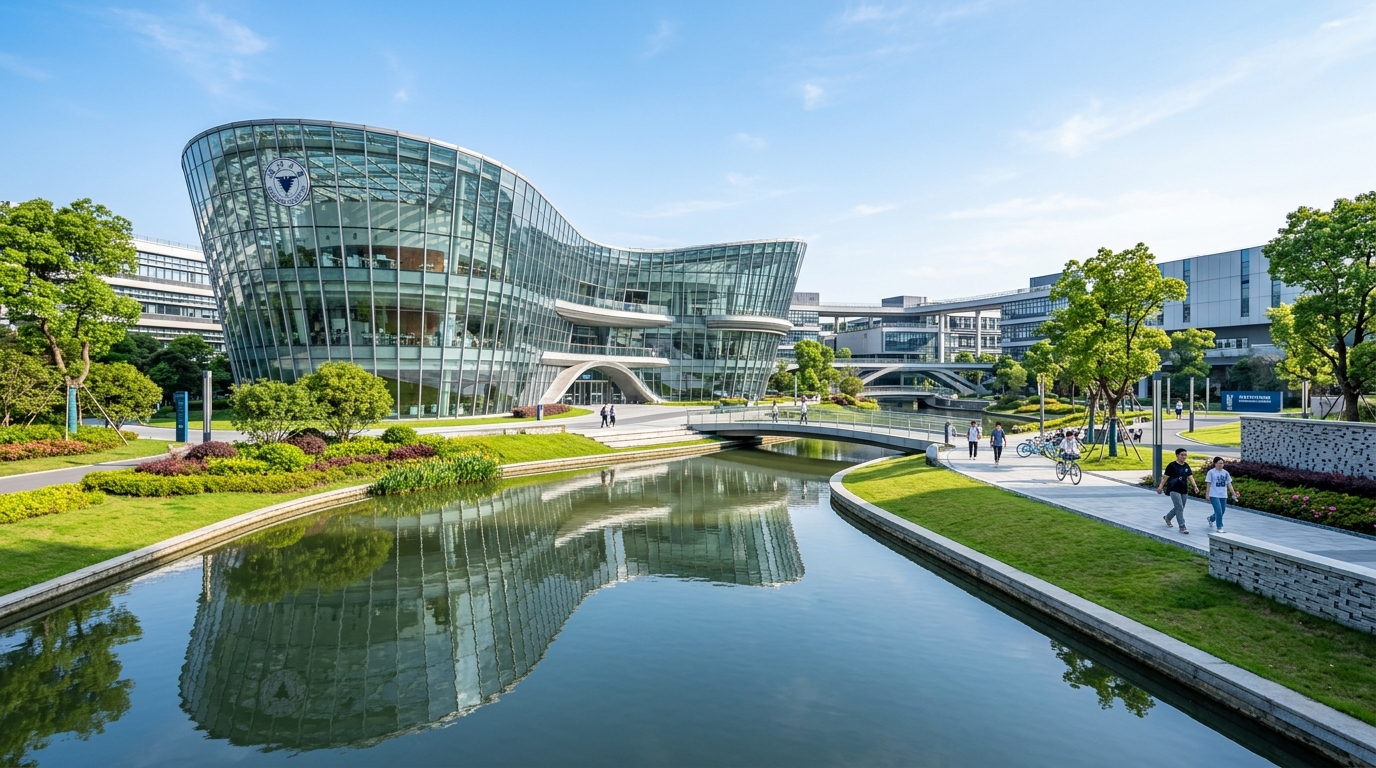 Zhejiang University (Hangzhou): Offering high-value Silk Road scholarships in Artificial Intelligence, Computer Science, and Cross-Border Commerce.
Step-by-Step Direct Application Guide (CSC Type B Walkthrough)
The Silk Road Scholarship is processed directly through host Chinese universities under the CSC Category Type B protocol. Follow these 6 verified steps:
- Confirm Eligible BRI Nationality & Select Designated University: Verify that your home country participates in the BRI and select 2 to 3 target universities from the table above. Note their official 5-digit Agency Codes.
- Reach Out to Academic Supervisors (For Master's & PhD): Between October and January, send professional cold emails with your CV and research proposal to relevant professors. Securing a provisional Supervisor Acceptance Letter dramatically elevates your chances.
- Complete CSC Online Application (Category Type B): Visit the official China Scholarship Council portal at
studyinchina.csc.edu.cn, register an account, choose Program Category Type B, enter your target university's 5-digit Agency Code, and upload required digital dossiers. - Complete Host University Online Portal Registration: Concurrently log into the university's international student application portal (e.g. XJTU or HIT online application system). Under scholarship preferences, ensure you select “Silk Road Scholarship / Belt and Road Program” as your target funding scheme.
- Upload Notarized Documents & Physical Exam Form: Upload notarized academic degrees, transcripts, 2 professor recommendation letters, an 800+ word Silk Road study plan, a clean police certificate, and the Foreigner Physical Exam Form following the official 2-stamp protocol.
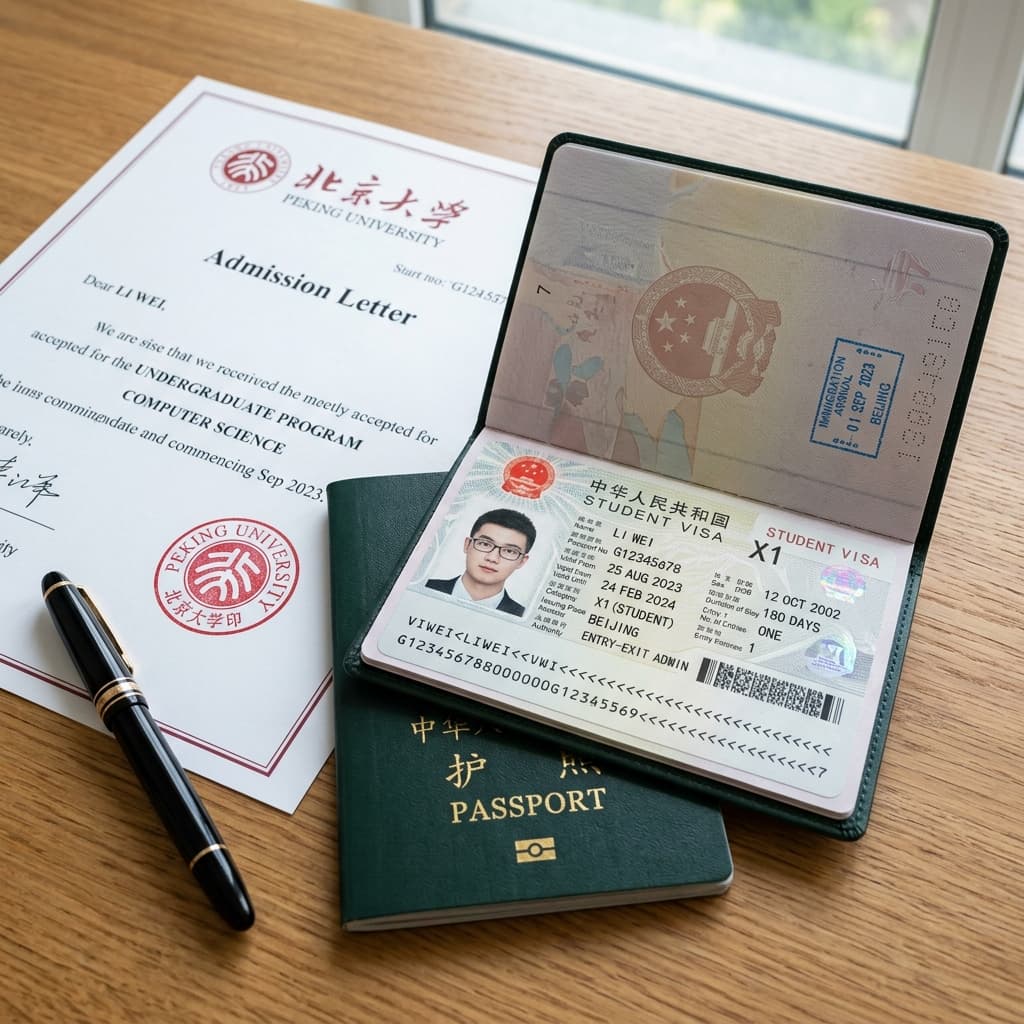
- Track Application & Visa Processing: University admissions committees review applications between March and May. Selected scholars receive official admission notices and the electronic JW202/DQ visa form for their Chinese X1 student visa.
⚠️ Top 4 Silk Road Application Pitfalls to Avoid
1. Submitting Generic Study Plans: Scholarship evaluators specifically look for how your proposed studies contribute to bilateral economic or infrastructure projects between China and your country. Always mention the Belt and Road Initiative in your study plan.
2. Selecting Program Category Type A on the CSC Portal: Silk Road scholarships are university-quota grants. Selecting Type A directs your application to your home embassy instead of the university, leading to automatic rejection.
3. Missing the Early Application Deadline: University Silk Road quotas fill up rapidly. While deadlines range from March 15 to April 30, submitting your dossier before February 28 ensures first-round consideration.
4. Unnotarized Academic Documents: Scans of original transcripts without official notary stamps from a registered notary public or Ministry of Foreign Affairs are disqualified immediately.
Want Free Silk Road University & Agency Code Matching?
Our admissions desk evaluates your nationality and academic background, matching you with high-quota Silk Road faculties with 100% free guidance.
Frequently Asked Questions About the Silk Road Scholarship
What is the Silk Road Scholarship and how is it different from the general CSC scholarship?
The Silk Road Scholarship (丝绸之路奖学金) is an official sub-program of the Chinese Government Scholarship (CSC) established under China's Belt and Road Initiative (BRI). While the general CSC scholarship is open globally to all nations, the Silk Road Scholarship offers dedicated, non-competing quotas exclusively to citizens of 140+ BRI partner nations. These quotas are targeted heavily toward STEM, Infrastructure, Civil Engineering, High-Speed Rail, Artificial Intelligence, Energy, and International Trade.
What is the exact monthly stipend and financial coverage for Silk Road scholars?
Silk Road scholars receive 100% full government funding under standard CSC guidelines: a 100% full tuition waiver, free on-campus international student accommodation, comprehensive medical insurance (800 RMB/year), and a tax-free monthly living stipend: 2,500 RMB/month for Bachelor's students, 3,000 RMB/month for Master's scholars, and 3,500 RMB/month for PhD doctoral researchers.
Which countries are officially eligible for the Silk Road Scholarship?
Citizens of over 140 countries that have signed official bilateral Belt and Road cooperation agreements with China are eligible. Key eligible partner nations include Pakistan, Kazakhstan, Uzbekistan, Kyrgyzstan, Tajikistan, Bangladesh, Sri Lanka, Nepal, Indonesia, Malaysia, Thailand, Egypt, Nigeria, Kenya, Ethiopia, Saudi Arabia, UAE, Iran, Turkey, Serbia, Hungary, and many more.
Can international students apply for the Silk Road Scholarship without IELTS?
Yes! Over 95% of Chinese universities offering Silk Road quotas officially accept an English Proficiency Certificate (EPC) issued by your previous university if your prior degree was taught in English. Expensive standardized IELTS or TOEFL tests are not required.
Is the Silk Road Scholarship applied under CSC Program Category Type A or Type B?
The Silk Road Scholarship is processed under CSC Program Category Type B (Chinese University Program). International candidates apply directly to designated Chinese universities using that university's unique 5-digit Agency Code on the official CSC portal (studyinchina.csc.edu.cn) and check the 'Silk Road / Belt & Road Program' option on the university's internal admissions portal.
What are the age limits and minimum academic requirements for the Silk Road Scholarship?
Under official Ministry of Education regulations, applicants must be under 25 years old for Bachelor's programs, under 35 years old for Master's programs, and under 40 years old for Doctoral (PhD) degrees. Applicants must hold a recognized prior degree with a minimum grade average of 75% (or 3.0/4.0 CGPA) and have a clean criminal record.
Which Chinese universities have the largest quotas for the Silk Road Scholarship?
Xi'an Jiaotong University (XJTU, Agency Code 10698), Harbin Institute of Technology (HIT, Agency Code 10213), Central South University (CSU, Agency Code 10533), Chongqing University (Agency Code 10611), and Lanzhou University (Agency Code 10730) hold the largest departmental quotas and offer the highest scholarship selection probabilities (~35% to 45%).
How can I maximize my chances of winning the Silk Road Scholarship 2027?
To maximize your selection probability: 1) Secure a Supervisor Acceptance Letter from a faculty professor between October and January, 2) Tailor your study plan (minimum 800–1,500 words) to explicitly demonstrate how your research addresses bilateral economic or technological cooperation under the Belt and Road Initiative, 3) Select high-quota regional powerhouses like XJTU, HIT, or CSU, and 4) Ensure your medical form follows the mandatory 2-stamp verification protocol.
❓ Frequently Asked Questions
Q1:What is the Silk Road Scholarship and how is it different from the general CSC scholarship?
The Silk Road Scholarship (丝绸之路奖学金) is an official sub-program of the Chinese Government Scholarship (CSC) established under China's Belt and Road Initiative (BRI). While the general CSC scholarship is open globally to all nations, the Silk Road Scholarship offers dedicated, non-competing quotas exclusively to citizens of 140+ BRI partner nations. These quotas are targeted heavily toward STEM, Infrastructure, Civil Engineering, High-Speed Rail, Artificial Intelligence, Energy, and International Trade.
Q2:What is the exact monthly stipend and financial coverage for Silk Road scholars?
Silk Road scholars receive 100% full government funding under standard CSC guidelines: a 100% full tuition waiver, free on-campus international student accommodation, comprehensive medical insurance (800 RMB/year), and a tax-free monthly living stipend: 2,500 RMB/month for Bachelor's students, 3,000 RMB/month for Master's scholars, and 3,500 RMB/month for PhD doctoral researchers.
Q3:Which countries are officially eligible for the Silk Road Scholarship?
Citizens of over 140 countries that have signed official bilateral Belt and Road cooperation agreements with China are eligible. Key eligible partner nations include Pakistan, Kazakhstan, Uzbekistan, Kyrgyzstan, Tajikistan, Bangladesh, Sri Lanka, Nepal, Indonesia, Malaysia, Thailand, Egypt, Nigeria, Kenya, Ethiopia, Saudi Arabia, UAE, Iran, Turkey, Serbia, Hungary, and many more.
Q4:Can international students apply for the Silk Road Scholarship without IELTS?
Yes! Over 95% of Chinese universities offering Silk Road quotas officially accept an English Proficiency Certificate (EPC) issued by your previous university if your prior degree was taught in English. Expensive standardized IELTS or TOEFL tests are not required.
Q5:Is the Silk Road Scholarship applied under CSC Program Category Type A or Type B?
The Silk Road Scholarship is processed under CSC Program Category Type B (Chinese University Program). International candidates apply directly to designated Chinese universities using that university's unique 5-digit Agency Code on the official CSC portal (studyinchina.csc.edu.cn) and check the 'Silk Road / Belt & Road Program' option on the university's internal admissions portal.
Q6:What are the age limits and minimum academic requirements for the Silk Road Scholarship?
Under official Ministry of Education regulations, applicants must be under 25 years old for Bachelor's programs, under 35 years old for Master's programs, and under 40 years old for Doctoral (PhD) degrees. Applicants must hold a recognized prior degree with a minimum grade average of 75% (or 3.0/4.0 CGPA) and have a clean criminal record.
Q7:Which Chinese universities have the largest quotas for the Silk Road Scholarship?
Xi'an Jiaotong University (XJTU, Agency Code 10698), Harbin Institute of Technology (HIT, Agency Code 10213), Central South University (CSU, Agency Code 10533), Chongqing University (Agency Code 10611), and Lanzhou University (Agency Code 10730) hold the largest departmental quotas and offer the highest scholarship selection probabilities (~35% to 45%).
Q8:How can I maximize my chances of winning the Silk Road Scholarship 2027?
To maximize your selection probability: 1) Secure a Supervisor Acceptance Letter from a faculty professor between October and January, 2) Tailor your study plan (minimum 800–1,500 words) to explicitly demonstrate how your research addresses bilateral economic or technological cooperation under the Belt and Road Initiative, 3) Select high-quota regional powerhouses like XJTU, HIT, or CSU, and 4) Ensure your medical form follows the mandatory 2-stamp verification protocol.
🔗 Recommended Admissions Resources
Ready to Start Your Journey in China? 🎓
Our expert admission consultants guide you through document notarization, study plan writing, and scholarship submission — 100% Free guidance!
Never Miss a Deadline: Join our Official WhatsApp Channel!
Get real-time alerts for open university agency codes, CSC Type B direct quotas, professor acceptance letters, and interview testing dates directly on your phone.