Top Chinese Universities 2027 / 2028 | C9 League Guide
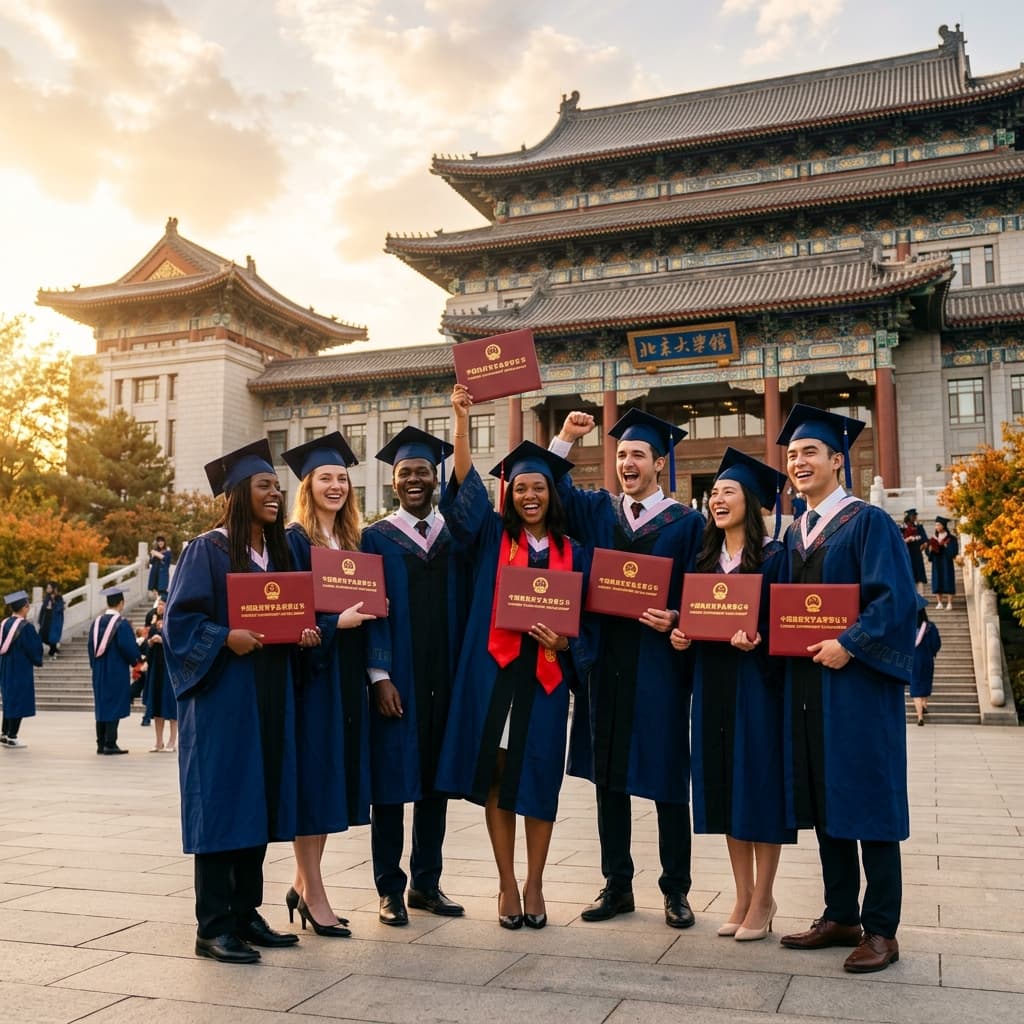
Selecting among the Top Chinese Universities for International Students (2027 / 2028 Intake) is the foundational decision in securing world-class academic training and full financial support. Driven by China's national Double First-Class Initiative and the elite C9 League (China's Ivy League), Chinese universities now rank among the world's top 20 institutions in STEM, Computer Science, AI, and Engineering. With 100% Full Tuition Waivers, free campus accommodation, and 3,000 to 3,500 RMB monthly stipends under the CSC Scholarship, international scholars can study with no IELTS required (EPC accepted) and zero intermediary fee traps.
Why Study at Top Chinese Universities in 2027 / 2028?
China's higher education system has achieved unprecedented international recognition. Thousands of international scholars flock to Chinese institutions every semester due to four fundamental advantages:
- Academic Rigor & Global Accreditation: Degree programs are recognized internationally by UNESCO, WHO, the Washington Accord for engineering, and premier licensing boards across North America, Europe, Asia, and Africa.
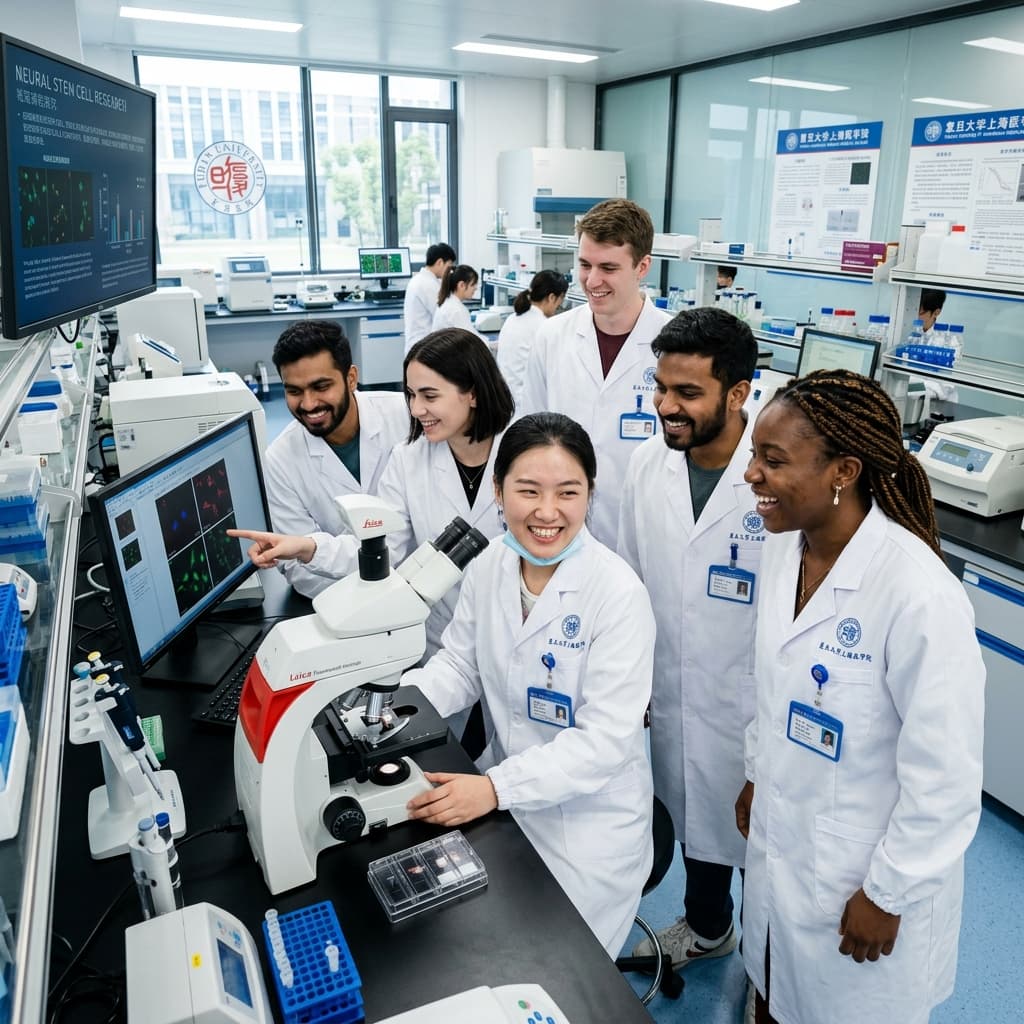
- Multi-Billion Dollar Research Funding: Top Chinese universities host state-of-the-art supercomputing facilities, semiconductor fabrication labs, clean energy testbeds, and biomedical institutes with massive research endowments.
- Comprehensive Government & University Scholarships: Unlike Western universities where international tuition is exorbitant, China offers thousands of CSC Type B Fully Funded Scholarships, Provincial Government Grants, and Presidential Fellowships.
- Direct Career Pathways into Fortune Global 500 Giants: Campuses maintain direct recruitment pipelines with industry titans including Huawei, Tencent, Alibaba, BYD, DJI, and Xiaomi.
Understanding China's University Hierarchy: C9 League vs. Double First-Class
When applying to study in China, it is essential to understand the national classification frameworks that determine government funding and scholarship allocations:
- The C9 League (China's Ivy League): Formed in 2009 by nine elite national research universities (Peking, Tsinghua, Fudan, Shanghai Jiao Tong, Zhejiang, USTC, Nanjing, Harbin Institute of Technology, and Xi'an Jiaotong). They account for over 20% of all national academic research citations and receive the highest quota of CSC Type B international scholarships.
- The Double First-Class Initiative (Shuangyilu): The modern successor to the former Project 985 and Project 211 frameworks. It encompasses 147 designated universities chosen by China's Ministry of Education to build world-class academic disciplines by 2035.
Top 10 Chinese Universities for International Students (Comparison Matrix)
The following authoritative comparison matrix details China's leading universities, their global rankings, unique CSC Agency Codes, popular English-medium majors, and admission competitiveness:
| University Name | City & Tier | QS Global Rank | CSC Agency Code | Top English Majors | Scholarship Schemes & Acceptance |
|---|---|---|---|---|---|
| Tsinghua University | Beijing (Tier 1) | #20 | 10003 |
Computer Science, AI, Architecture, Civil Engineering, Global MBA | CSC Type B, Schwarzman Scholars, Tsinghua Tuition Scholarship (Highly Competitive) |
| Peking University | Beijing (Tier 1) | #14 | 10001 |
International Relations, Law, Clinical Medicine, Economics, Life Sciences | CSC Type A & B, Yenching Academy Fellowship, Peking Presidential (Highly Competitive) |
| Zhejiang University | Hangzhou (New Tier 1) | #44 | 10335 |
Robotics, Agriculture, Computer Engineering, Biomedical Sciences | CSC Type B, Zhejiang Provincial Government Grant (High Acceptance) |
| Fudan University | Shanghai (Tier 1) | #39 | 10246 |
Finance, International Management, Public Health, Chinese Philosophy | CSC Type B, Shanghai Government Scholarship (SGS Class A) (Moderate) |
| Shanghai Jiao Tong University (SJTU) | Shanghai (Tier 1) | #45 | 10248 |
Mechanical Engineering, Naval Architecture, Biomedical, MBBS | CSC Type B, SJTU Presidential Scholarship, Shanghai SGS (High Acceptance) |
| Univ. of Science & Technology of China (USTC) | Hefei (Emerging Hub) | #137 | 10358 |
Quantum Computing, Physics, Chemistry, Nanotechnology, AI | CSC Type B, ANSO Fellowship for Developing Countries (High Acceptance) |
| Nanjing University | Nanjing (New Tier 1) | #141 | 10284 |
Environmental Science, Astronomy, Business, Software Engineering | CSC Type B, Jiangsu Jasmine Government Scholarship (High Acceptance) |
| Harbin Institute of Technology (HIT) | Harbin (Major Hub) | #252 | 10213 |
Aerospace Engineering, Robotics, Automation, Materials Science | CSC Type B, Belt & Road Quota, HIT Distinguished Scholars (Very High Acceptance) |
| Xi'an Jiaotong University (XJTU) | Xi'an (Historic Hub) | #295 | 10698 |
Energy Engineering, Mechanical, Electrical, Management Science | Silk Road Scholarship, CSC Type B, Shaanxi Gov (Very High Acceptance) |
| Huazhong Univ. of Science & Tech (HUST) | Wuhan (Major Hub) | #300 | 10487 |
Telecommunications, Optics, Mechanical, MBBS, Public Health | CSC Type B, HUST Presidential Fellowship, Wuhan Municipal Grant (Very High Acceptance) |
In-Depth Profile: China's Top 5 Flagship Universities
1. Tsinghua University (Beijing) — China's MIT
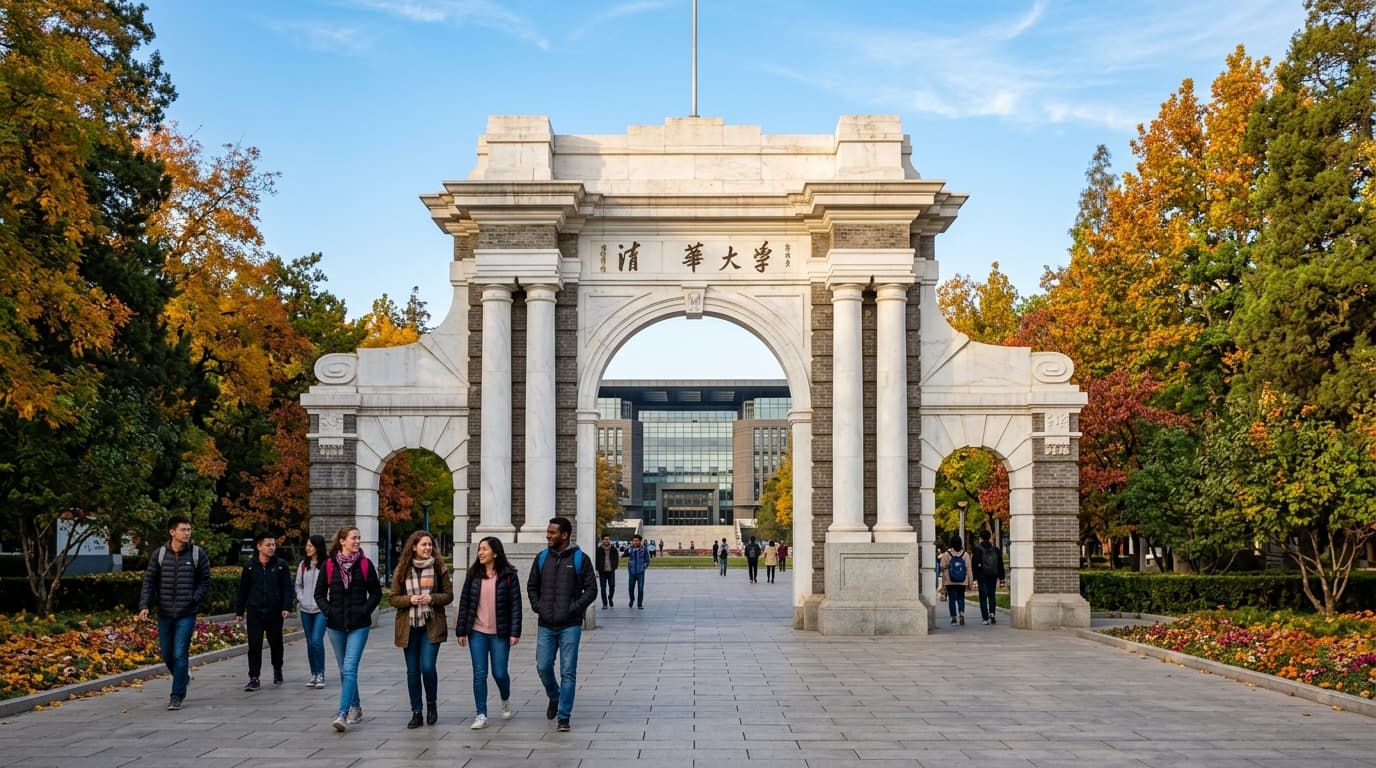
Located on the former royal imperial gardens in northwestern Beijing, Tsinghua University is the uncontested summit of engineering, computer science, and technological innovation in Asia. Tsinghua consistently ranks #1 globally for Computer Science and Engineering citations. International applicants can apply for CSC Type B scholarships or the world-renowned Schwarzman Scholars Program. The campus boasts cutting-edge robotics laboratories and a dedicated high-tech startup incubator.
2. Peking University (Beijing) — Premier Humanities, Sciences & Medicine
Adjoining Tsinghua in Beijing's Haidian District, Peking University (PKU or Beida) is celebrated for its breathtaking classical imperial architecture, the scenic Weiming Lake, and its preeminent faculties of International Relations, Law, Economics, and Life Sciences. PKU is also home to the Yenching Academy, offering fully funded Master's fellowships in China Studies taught entirely in English.
3. Zhejiang University (Hangzhou) — High-Tech & Entrepreneurship Hub
Situated in picturesque Hangzhou—the global headquarters city of Alibaba—Zhejiang University (ZJU) is one of China's most dynamic research powerhouses. ZJU excels in Computer Engineering, Robotics, Agricultural Sciences, and Life Sciences. International scholars enjoy high CSC Type B acceptance rates and close industry integration with Hangzhou's vibrant tech ecosystem.
4. Fudan University (Shanghai) — Global Finance & Medical Excellence
Fudan University in Shanghai is China's premier gateway for international finance, global management, public health, and journalism. With deep connections to international banking institutions and diplomatic corps, Fudan provides a cosmopolitan academic environment with students representing over 130 countries.
5. Shanghai Jiao Tong University (SJTU) — Engineering & Biomedical Giant
One of China's oldest and most prestigious institutions, SJTU is celebrated for its powerhouse schools of Naval Architecture, Mechanical Engineering, and the renowned SJTU School of Medicine. It offers generous university-level Presidential Scholarships alongside full CSC Type B allocations.
How to Apply for CSC Type B Directly to Top Chinese Universities
Securing a fully funded seat at a top Chinese university under CSC Type B requires following a precise sequence:
- Target Your Programs & Agency Codes: Browse our Chinese Universities Directory to locate your major and confirm the university's official 5-digit CSC Agency Code.
- Secure a Professor's Acceptance Letter: For C9 League universities, reaching out to potential research supervisors with your CV and a polished research proposal drastically increases your selection probability. Check our Free Study Plan Templates for guidance.
- Register on the CSC Online Portal: Create an account on
studyinchina.csc.edu.cn, select Program Category Type B, input the university's Agency Code, and upload required documents. - Submit University Admissions Portal Application: Concurrently complete the university's internal international student portal application and submit any required application processing fees.
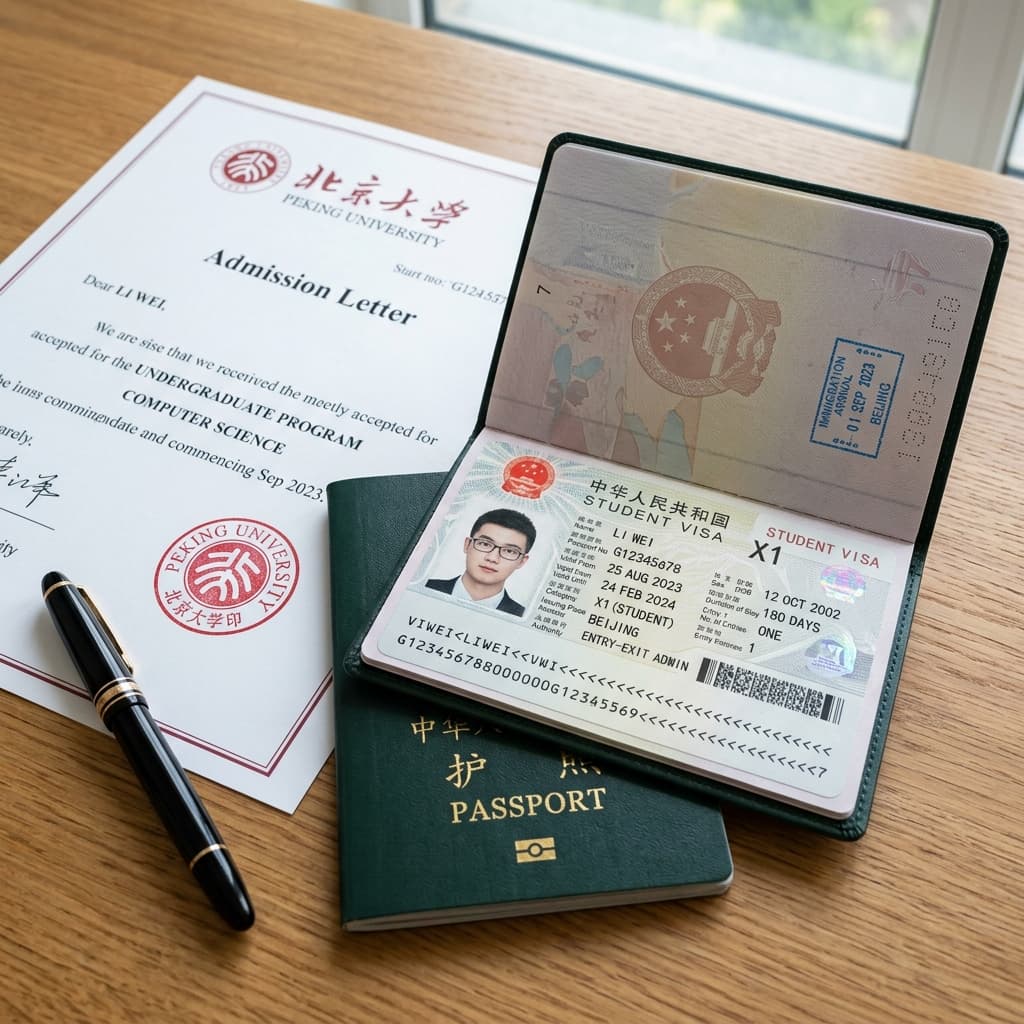
- Track Your JW202 / JW201 Form: Following university nomination and MOE approval, track your electronic visa document on our JW202 Verification Desk and prepare your X1 Student Visa.
English-Medium Programs & No IELTS (EPC Letter) Regulations
A common misconception is that international applicants must possess expensive IELTS or TOEFL test scores to study at China's top universities. In reality, over 95% of Chinese universities—including members of the C9 League—formally accept an English Proficiency Certificate (EPC).
If your previous degree (high school for Bachelor's applicants, Bachelor's for Master's applicants, or Master's for PhD applicants) was taught in the English medium, your former university registrar can issue an official EPC letter stating that English was the medium of instruction. This letter completely waives IELTS requirements for CSC scholarship and university admission processing.
Geographic Tier Breakdown: Beijing & Shanghai vs. Emerging Tech Hubs
Choosing the right campus location depends on your lifestyle preferences and career goals:
- Tier 1 Metropolises (Beijing & Shanghai): Offer unrivaled multinational networking, embassies, and cultural landmarks. Living expenses are higher (3,500–5,000 RMB/month off-campus), but fully offset if staying in on-campus international dorms. Read our Cost of Living in China Guide for detailed budgets.
- New Tier 1 Tech & Cultural Hubs (Hangzhou, Nanjing, Wuhan, Xi'an, Chengdu): Offer world-class academic institutions with lower daily living expenses (1,800–2,800 RMB/month), higher scholarship quotas per applicant, and deep cultural immersion.
⚠️ Common Pitfalls & Admissions Insider Advice
1. Relying Exclusively on Tsinghua and Peking: Tsinghua and Peking receive tens of thousands of global applicants. Always include a top-tier C9 or Double First-Class alternative like Zhejiang University, USTC, Harbin Institute of Technology, or Xi'an Jiaotong University as your second and third choices to guarantee scholarship success.
2. Selecting Chinese-Medium Majors by Mistake: When submitting your CSC portal application, double-check that your selected major specifies "Teaching Language: English". Selecting a Chinese-taught major without HSK 4/5 certification will require a mandatory 1-year preparatory Chinese language course.
3. Incomplete Physical Exam Forms: Ensure your Foreigner Physical Examination form includes all required blood test reports (HIV, Syphilis, Hepatitis B), chest X-ray reports, doctor signature, and official hospital round stamps on both the photo and final verdict section.
Frequently Asked Questions About Top Chinese Universities
Which Chinese university is ranked highest for international students in 2027 / 2028?
Peking University (QS #14 globally) and Tsinghua University (QS #20 globally) are China's highest-ranked universities. Both lead Asia in academic output, faculty citations, research endowment, and employer reputation.
Can I get admission to top Chinese universities without IELTS?
Yes. Over 95% of top Chinese universities, including C9 League members, accept an official English Proficiency Certificate (EPC) issued by your previous university if your prior degree was instructed in English, waiving IELTS and TOEFL completely.
What is the difference between C9 League and 985/211 Project universities?
The C9 League represents China's elite alliance of nine top national research universities (comparable to the US Ivy League). The older 985 and 211 designations have been unified into the 'Double First-Class Initiative', which includes 147 leading universities receiving dedicated funding for international programs.
How do I use a university's CSC Agency Code during the application?
When applying for a CSC Type B scholarship on the official China Scholarship Council portal (studyinchina.csc.edu.cn), you must enter your university's unique 5-digit Agency Code (e.g., 10003 for Tsinghua, 10001 for Peking, 10335 for Zhejiang). This routes your application directly to that university's scholarship review committee.
Are living expenses higher at universities in Beijing and Shanghai compared to other cities?
Yes. Average monthly off-campus living expenses in Beijing and Shanghai range from 3,500 to 5,000 RMB. However, students residing in subsidized on-campus dormitories or studying in emerging educational hubs like Hangzhou, Wuhan, Xi'an, or Harbin enjoy monthly living costs of just 1,800 to 2,800 RMB, which are completely covered by the CSC monthly stipend.
❓ Frequently Asked Questions
Q1:Which Chinese university is ranked highest for international students in 2027 / 2028?
Peking University (QS #14 globally) and Tsinghua University (QS #20 globally) are China's highest-ranked universities. Both lead Asia in academic output, faculty citations, research endowment, and employer reputation.
Q2:Can I get admission to top Chinese universities without IELTS?
Yes. Over 95% of top Chinese universities, including C9 League members, accept an official English Proficiency Certificate (EPC) issued by your previous university if your prior degree was instructed in English, waiving IELTS and TOEFL completely.
Q3:What is the difference between C9 League and 985/211 Project universities?
The C9 League represents China's elite alliance of nine top national research universities (comparable to the US Ivy League). The older 985 and 211 designations have been unified into the 'Double First-Class Initiative', which includes 147 leading universities receiving dedicated funding for international programs.
Q4:How do I use a university's CSC Agency Code during the application?
When applying for a CSC Type B scholarship on the official China Scholarship Council portal (studyinchina.csc.edu.cn), you must enter your university's unique 5-digit Agency Code (e.g., 10003 for Tsinghua, 10001 for Peking, 10335 for Zhejiang). This routes your application directly to that university's scholarship review committee.
Q5:Are living expenses higher at universities in Beijing and Shanghai compared to other cities?
Yes. Average monthly off-campus living expenses in Beijing and Shanghai range from 3,500 to 5,000 RMB. However, students residing in subsidized on-campus dormitories or studying in emerging educational hubs like Hangzhou, Wuhan, Xi'an, or Harbin enjoy monthly living costs of just 1,800 to 2,800 RMB, which are completely covered by the CSC monthly stipend.
🔗 Recommended Guides for You
Ready to Start Your Journey in China? 🎓
Our expert admission consultants guide you through document notarization, study plan writing, and scholarship submission — 100% Free guidance!