Cost of Living in China 2027 / 2028: Student Guide | CSP
Understanding the Cost of Living in China for International Students (2027 / 2028 Intake) is essential for planning a successful academic journey. Whether you hold a Fully Funded CSC Scholarship providing up to 3,500 RMB/month stipend or are funding your own studies, China remains one of the world's most budget-friendly study destinations. With campus student dormitory costs as low as $50–$150/month and affordable canteen meals, average student living expenses range from $200 to $400 USD/month with zero intermediary fee traps.
Is China Affordable for International Students?
Yes, remarkably so. Compared to traditional study abroad destinations like the United States ($1,200–$2,000/mo), the United Kingdom ($1,000–$1,800/mo), or Australia ($1,400–$2,200/mo), living in China costs a fraction of Western budgets. State-subsidized university utilities, ultra-low dining hall prices, and high-efficiency public transit enable students to enjoy a comfortable lifestyle on $200 to $400 USD per month.
For students receiving a CSC Government Scholarship or Silk Road Fellowship, the monthly living allowance of 2,500 to 3,500 RMB completely offsets daily living costs, enabling many scholars to save funds or travel domestically during semester breaks. Calculate your personal budget on our interactive Cost of Living Calculator.
Tier 1 vs Tier 2 vs Tier 3 Cities: Monthly Student Budget Matrix
Expenses vary significantly based on your host city's economic tier. Compare realistic monthly budget allocations across Chinese university hubs:
| City Tier & Key University Hubs | Campus Dormitory | Food & Dining | Transit & Utilities | Total Estimated Monthly Budget |
|---|---|---|---|---|
| Tier 1: Beijing & Shanghai (Tsinghua, Peking, Fudan, SJTU) |
900 – 1,500 RMB ($125 – $210 USD) |
1,200 – 1,800 RMB ($165 – $250 USD) |
300 – 450 RMB ($40 – $65 USD) |
2,400 – 3,750 RMB ($330 – $520 USD / month) |
| Tier 1.5: Hangzhou, Nanjing, Guangzhou, Shenzhen (Zhejiang, Nanjing, Sun Yat-sen) |
700 – 1,200 RMB ($95 – $165 USD) |
1,000 – 1,500 RMB ($140 – $210 USD) |
250 – 350 RMB ($35 – $50 USD) |
1,950 – 3,050 RMB ($270 – $425 USD / month) |
| Tier 2: Wuhan, Xi'an, Chengdu, Tianjin, Changsha (Wuhan Uni, XJTU, Sichuan, CSU) |
500 – 900 RMB ($70 – $125 USD) |
800 – 1,200 RMB ($110 – $165 USD) |
150 – 250 RMB ($20 – $35 USD) |
1,450 – 2,350 RMB ($200 – $325 USD / month) |
| Tier 3 & Northern: Harbin, Jinan, Haikou, Lanzhou (HIT, Shandong University) |
400 – 750 RMB ($55 – $105 USD) |
700 – 1,000 RMB ($95 – $140 USD) |
120 – 200 RMB ($15 – $30 USD) |
1,220 – 1,950 RMB ($170 – $270 USD / month) |
Category-by-Category Expense Breakdown (2027 / 2028)
Here is what an international student spends on key categories on a daily and monthly basis in China:
1. Accommodation: Campus Dorms vs. Private Apartments
On-campus international student housing is subsidized by Chinese universities. A twin-share room typically costs between 500 and 900 RMB/month, while single rooms range from 900 to 1,500 RMB/month with central air conditioning, heating, private en-suite bathrooms, and high-speed Wi-Fi. Living off-campus in a rented apartment in Shanghai or Beijing costs 2,500 to 4,500 RMB/month plus utility bills. Staying on-campus saves international students over 65% of accommodation costs.
2. Food & Dining Hall Meals
University canteens (学生食堂) serve freshly cooked, balanced meals for 10 to 20 RMB ($1.50 – $3.00 USD) per meal. Most major campuses also host dedicated, certified Muslim/Halal canteens (清真食堂) offering Lanzhou beef noodles, Xinjiang roasted lamb, and rice dishes for 12 to 25 RMB. Learn more on our Campus Student Life & Halal Food Guide.
3. Public Transportation & High-Speed Rail
China operates the world's most advanced, affordable public transit system:
- City Metro / Subway: 3 to 7 RMB ($0.40 – $1.00 USD) per one-way ride based on distance.
- City Buses: Flat rate of 2 RMB ($0.28 USD) per trip.
- Shared Bicycles (Meituan / Hello Bike): Monthly unlimited student pass costs only 12 to 18 RMB ($1.70 – $2.50 USD).
- Intercity High-Speed Trains (CRH / Fuxing): Beijing to Shanghai (4.5 hours) costs around 550 RMB ($77 USD); Wuhan to Guangzhou takes 3.5 hours for 460 RMB.
4. Mobile SIM, High-Speed Data & Campus Wi-Fi
Telecom packages from China Mobile, China Unicom, or China Telecom cost approximately 50 to 98 RMB/month ($7 – $14 USD), providing 30GB to 80GB of 5G mobile data plus domestic voice minutes. Most universities offer free or ultra-cheap (20 RMB/mo) high-speed campus fiber Wi-Fi.
CSC Scholarship Stipend vs Real Living Costs: Can You Save?
One of the most frequent questions from prospective students is whether the CSC monthly allowance is sufficient to live without parental support:
- Bachelor's Scholars (2,500 RMB/month): In Tier 2 and Tier 3 cities (Wuhan, Xi'an, Harbin), essential food and transit costs total 1,000–1,400 RMB. With free dormitory accommodation provided, undergraduates retain 1,100 to 1,500 RMB/month in discretionary spending.
- Master's Scholars (3,000 RMB/month): Monthly living costs average 1,200–1,600 RMB. Master's students comfortably save 1,400+ RMB/month.
- PhD Candidates (3,500 RMB/month): Doctoral researchers receive generous allowances. Total expenses rarely exceed 1,500 RMB in campus housing, allowing PhD scholars to save up to 2,000 RMB/month ($280 USD) or support minor research travel.
⚠️ 4 Insider Money-Saving Hacks for International Students
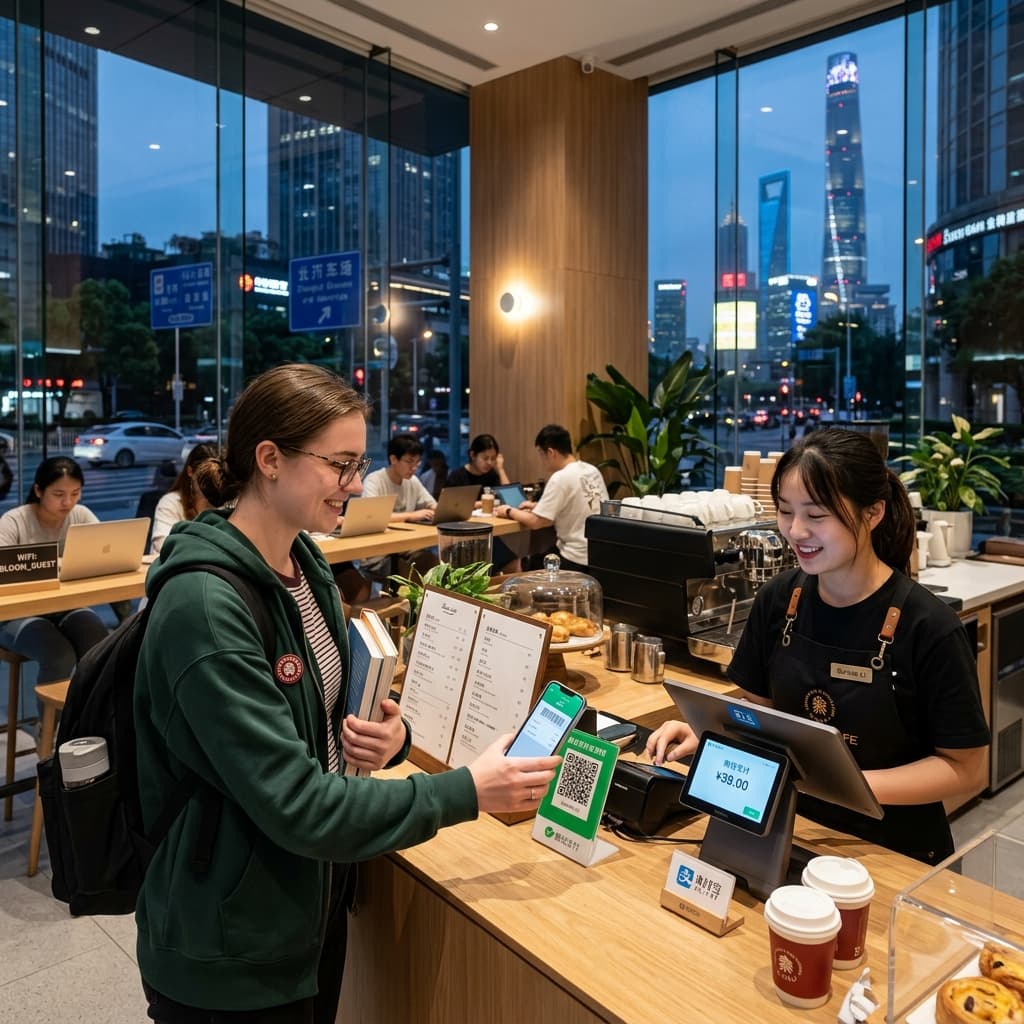
1. Digital Cashless Payments: Link your Chinese bank debit card (ICBC or Bank of China) to Alipay and WeChat Pay immediately. Using digital red packets and vendor discount coupons saves 10–15% on dining and groceries.
2. E-Commerce Shopping via Taobao & Pinduoduo: Avoid buying bedding, winter coats, and desk accessories at street shops. Ordering online via Taobao or Pinduoduo delivers directly to campus parcel lockers (菜鸟驿站) at 50% lower prices.
3. Use Student ID Cards for National Travel: Your official Chinese university student card (学生证) entitles you to 50% discounts on entrance fees to historical landmarks (Great Wall, Terracotta Warriors, Forbidden City) and discounted train tickets during university winter and summer holidays.
4. Shared Cooking Facilities: International student dormitory floors feature communal kitchens with induction stoves and microwave ovens. Preparing breakfast and weekend meals in the dorm cuts food bills by half.
Need personalized advice on selecting the most affordable university and scholarship program? Check your qualification on our Eligibility Matcher or submit your details to our Admissions Evaluation Desk for 100% free counseling.
❓ Frequently Asked Questions
Q1:Is living in China cheaper than studying in Western countries?
Yes, significantly. The average cost of living for an international student in China ranges between $200 and $400 USD per month if residing in campus accommodation. This is 60% to 80% cheaper than studying in the United States, the United Kingdom, Canada, or Australia.
Q2:Does the CSC Scholarship stipend cover all living expenses?
Yes. Fully funded CSC scholarships provide free on-campus dormitory accommodation and a monthly living allowance of 2,500 RMB (Bachelor's), 3,000 RMB (Master's), or 3,500 RMB (PhD). Because university canteen meals and public transit are heavily subsidized, this stipend covers 100% of daily living expenses with surplus funds remaining.
Q3:How much pocket money should I bring for my first month in China?
We recommend bringing approximately 3,000 to 5,000 RMB (or $400–$700 USD in cash) for your initial arrival. This covers temporary hotel stays if arriving before dorm check-in, dormitory room deposits (usually 500–1,000 RMB), medical examination verification fees (approx. 400 RMB), residence permit application fees (400–800 RMB), and bedding purchases before your scholarship stipend is activated.
Q4:Can international students open a Chinese bank account easily?
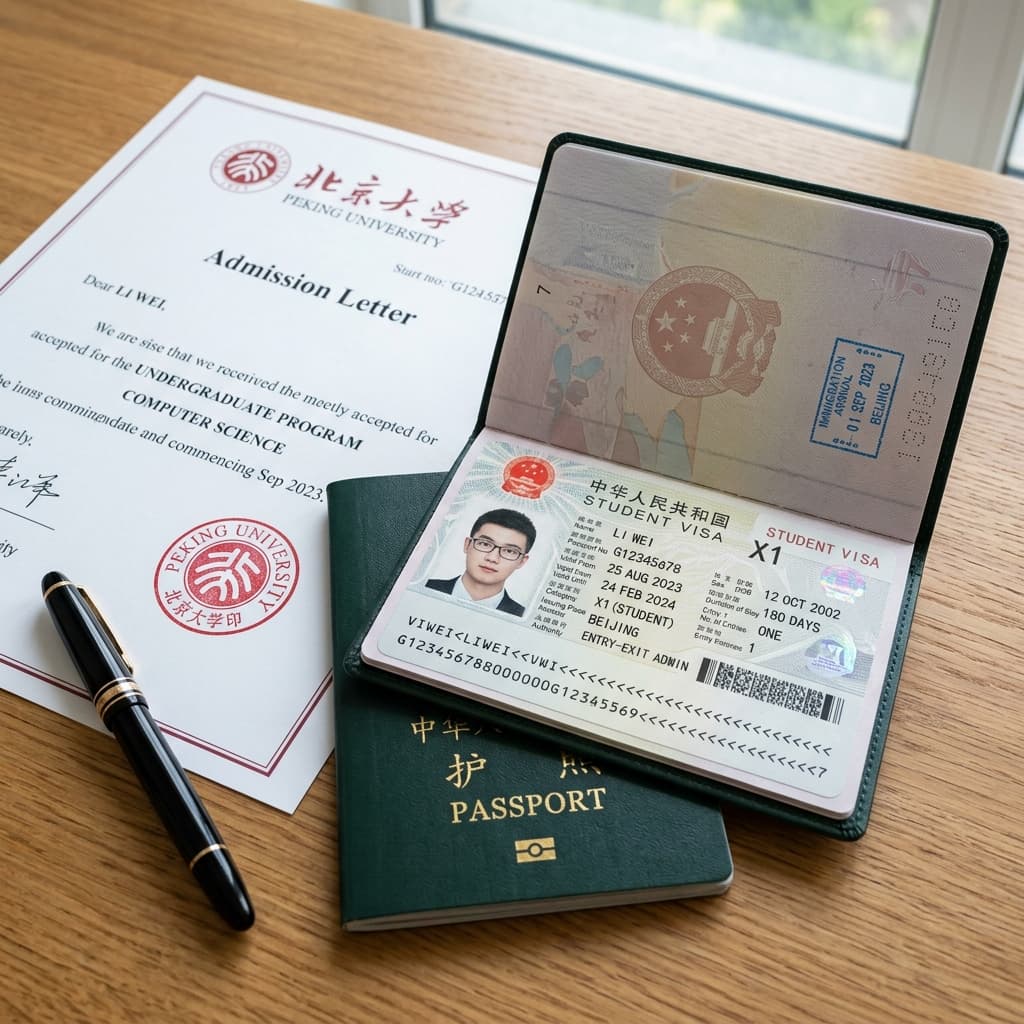
Yes. During orientation week, your university international student office will assist you in opening an account at an on-campus branch of the Industrial and Commercial Bank of China (ICBC), Bank of China (BOC), or China Construction Bank (CCB) using your passport, X1 student visa, and admission letter.
Q5:How do international students pay for daily expenses in China?
China is virtually 100% cashless. International students pay for meals, subway fares, mobile recharges, and online shopping by linking their Chinese bank debit card to WeChat Pay and Alipay. International credit cards can also be linked to Alipay for initial arrival spending.
🔗 Recommended Guides for You
Ready to Start Your Journey in China? 🎓
Our expert admission consultants guide you through document notarization, study plan writing, and scholarship submission — 100% Free guidance!