Student Life in China 2027 / 2028 | Campus & Dorm Guide
Experiencing Student Life in China for International Students (2027 / 2028 Intake) is a transformative journey marked by world-class campus facilities, cutting-edge technology, and exceptional safety. Modern Chinese universities operate as self-contained academic cities designed to provide international scholars with a seamless living experience. With 100% Full Tuition Waivers, free on-campus international student accommodation, and 3,000 to 3,500 RMB monthly stipends under the CSC Scholarship, international scholars enjoy subsidized Qingzhen (Halal) dining halls, a 100% cashless mobile ecosystem (WeChat Pay & Alipay), no IELTS required (EPC accepted), and zero intermediary fee traps.
What Everyday Life Looks Like on a Modern Chinese University Campus
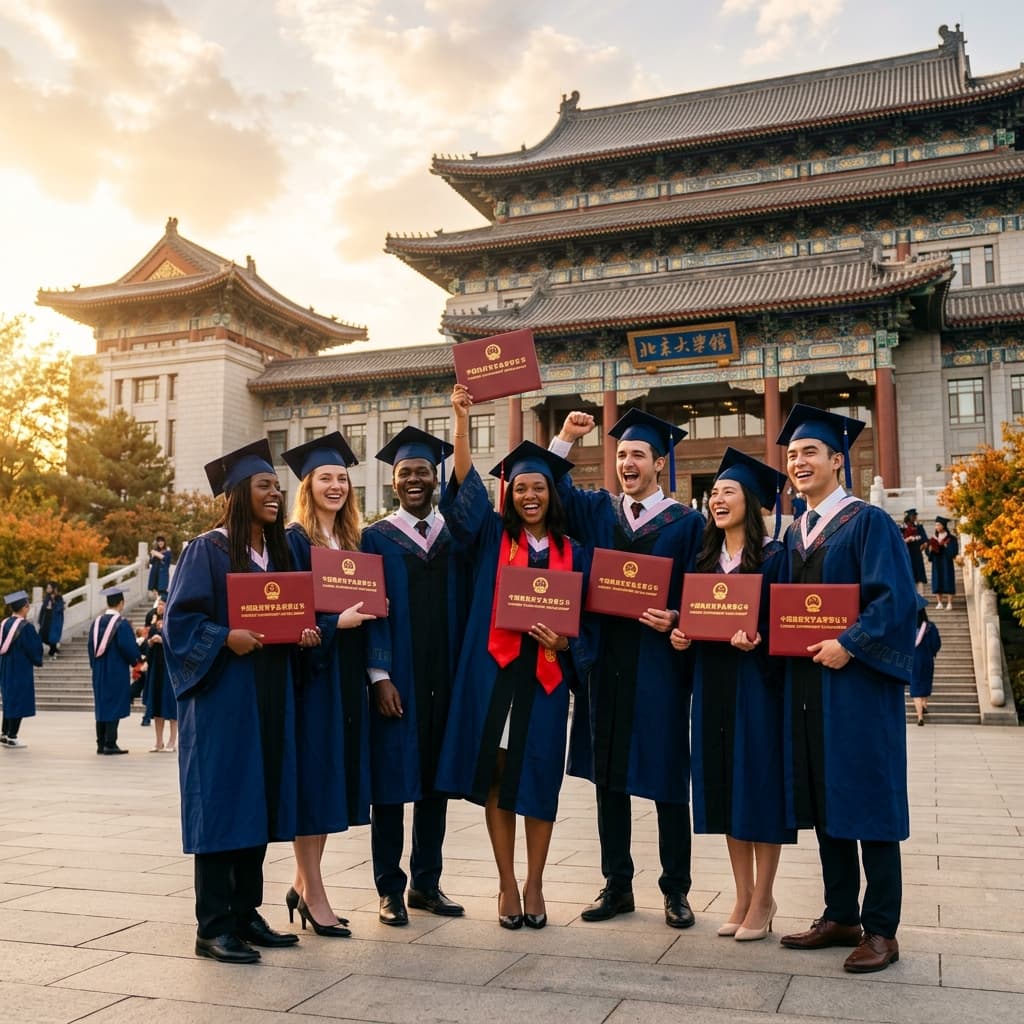
Unlike many Western universities where academic faculties, dining options, and housing are dispersed across congested cities, Chinese university campuses are master-planned ecological communities. Campuses at institutions like Tsinghua, Zhejiang University, and Peking University span hundreds of acres. Within campus grounds, students have direct access to:
- Academic Infrastructure: Multi-story 24-hour libraries, quiet study pods, high-speed research computing centers, and modern seminar auditoriums.
- Sports & Athletics Complexes: Olympic-size heated swimming pools, badminton courts, soccer stadiums, basketball courts, and gyms (mostly free or nominal 2–5 RMB entry).
- Commercial Conveniences: On-campus bank branches (ICBC, Bank of China), China Mobile/Telecom service centers, express parcel lockers (Cainiao Post), supermarkets, and bakeries.
- Scenic Green Parks & Lakes: Iconic lotus ponds, botanical gardens, and running tracks offering peaceful environments for study and leisure.
Daily Student Living & Campus Experience by University Tier
Living conditions, food diversity, and city connectivity vary pleasantly depending on whether your university is in a Tier 1 global metropolis or an emerging provincial capital:
| Campus Dimension | Tier 1 (Beijing & Shanghai) | New Tier 1 (Hangzhou & Nanjing) | Major Hubs (Wuhan, Xi'an, Harbin) | International Student Verdict |
|---|---|---|---|---|
| On-Campus Dormitory Setup | Single rooms for PhDs, twin rooms for Master's/Undergrads in modern high-rises. | Spacious ensuite twin/single rooms with scenic lake or garden views. | Very spacious rooms, central heating in winter, recently renovated foreign student blocks. | All tiers provide fully furnished rooms with private bathrooms, AC, and high-speed Wi-Fi. |
| Halal Canteen Variety & Cost | Multiple Halal dining floors, 18–35 RMB/meal ($2.50–$5.00 USD). | Authentic regional Qingzhen canteens, 14–25 RMB/meal ($2.00–$3.50 USD). | Abundant Lanzhou & Xinjiang canteens, 10–20 RMB/meal ($1.40–$2.80 USD). | Highly affordable, certified Halal meat, hand-pulled noodles, and fresh naan bread daily. |
| City Metro & Public Transit | 20+ subway lines, stations right outside campus gates, 3–7 RMB per ride. | Modern subways, extensive shared bike networks (HelloBike, Meituan 15 RMB/month). | Efficient metro systems, rapid bus transit, seamless high-speed train connections. | World's most punctual, clean, and economical public transit networks. |
| English Friendliness & Community | Cosmopolitan atmosphere, 5,000+ foreign scholars per university, bilingual signs. | Vibrant tech culture, massive international student bodies, English-friendly apps. | Warm, hospitable local community, authentic Chinese cultural immersion. | Bilingual campus signage and supportive International Student Office (ISO) coordinators. |
| Monthly Pocket Budget Needed | 2,000 – 3,000 RMB / month (Off-campus leisure, coffee shops, outings). | 1,600 – 2,200 RMB / month (Comfortable living with dining and travel). | 1,200 – 1,800 RMB / month (High purchasing power on stipend). | Fully covered by the CSC monthly living stipend (2,500–3,500 RMB) with substantial savings. |
International Student Accommodation (Dormitories Explained)
One of the greatest financial reliefs of studying in China under a Fully Funded CSC Scholarship or Presidential Grant is 100% free on-campus dormitory accommodation. Standard amenities include:
- Room Furnishings: Each room includes an ergonomic study desk, comfortable bed with mattress, wardrobe, independent air conditioner/heater unit, and private en-suite bathroom with 24-hour hot water.
- Communal Kitchens: Every residential floor features a shared kitchen equipped with induction cooktops, microwave ovens, and hot water dispensers for students who prefer cooking personal meals.
- Smart Laundry Rooms: High-capacity washer and dryer units operated conveniently via mobile app (2–4 RMB per wash cycle).
- Security & Curfews: Student dormitories operate computerized electronic keycard access and have 24/7 reception desk staff ensuring absolute personal safety.
Halal Food (Qingzhen Canteens) & Dining Variety for Muslim Scholars
For Muslim international students from Pakistan, Bangladesh, Indonesia, the Middle East, Central Asia, and Africa, dietary peace of mind is paramount. China has a proud native Muslim population (Hui and Uighur ethnic groups) spanning over a thousand years. Consequently, virtually all designated public universities maintain dedicated Qingzhen (Halal) Dining Halls (清真餐厅).
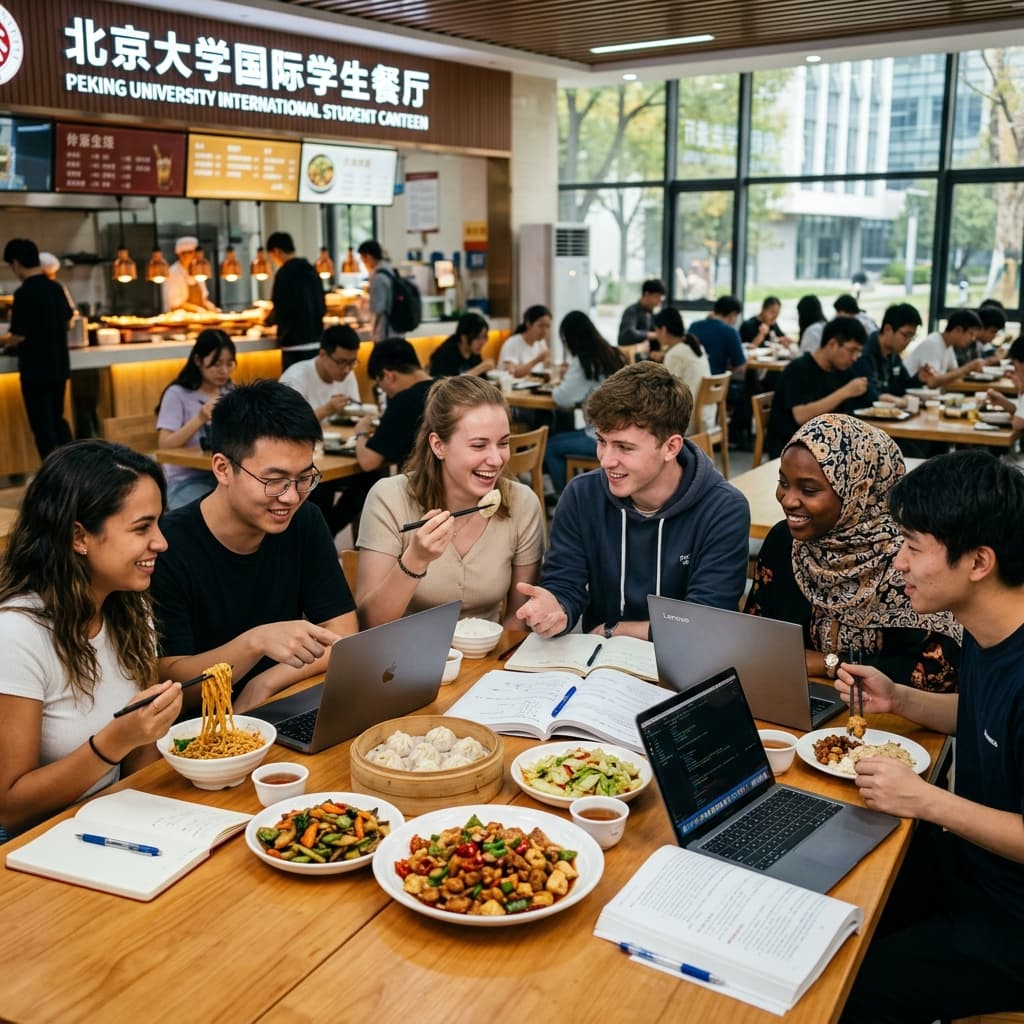
These canteens are strictly operated by Muslim chefs adhering to authentic Halal slaughtering and preparation standards. Students can enjoy freshly made Lanzhou beef noodles (兰州牛肉拉面), Xinjiang cumin mutton kebabs (羊肉串), braised chicken claypots (大盘鸡), fried rice, steamed dumplings (Baozi), and freshly baked flatbreads (Naan). Meals cost between 10 to 25 RMB ($1.40 to $3.50 USD), making nutritious dining both effortless and inexpensive.
Cashless Lifestyle: Mastering WeChat, Alipay & Campus Smart Cards
China is the world's most advanced cashless society. Physical cash and paper receipts are virtually obsolete. During your first week on campus, your university International Student Office will assist you in establishing your digital ecosystem:
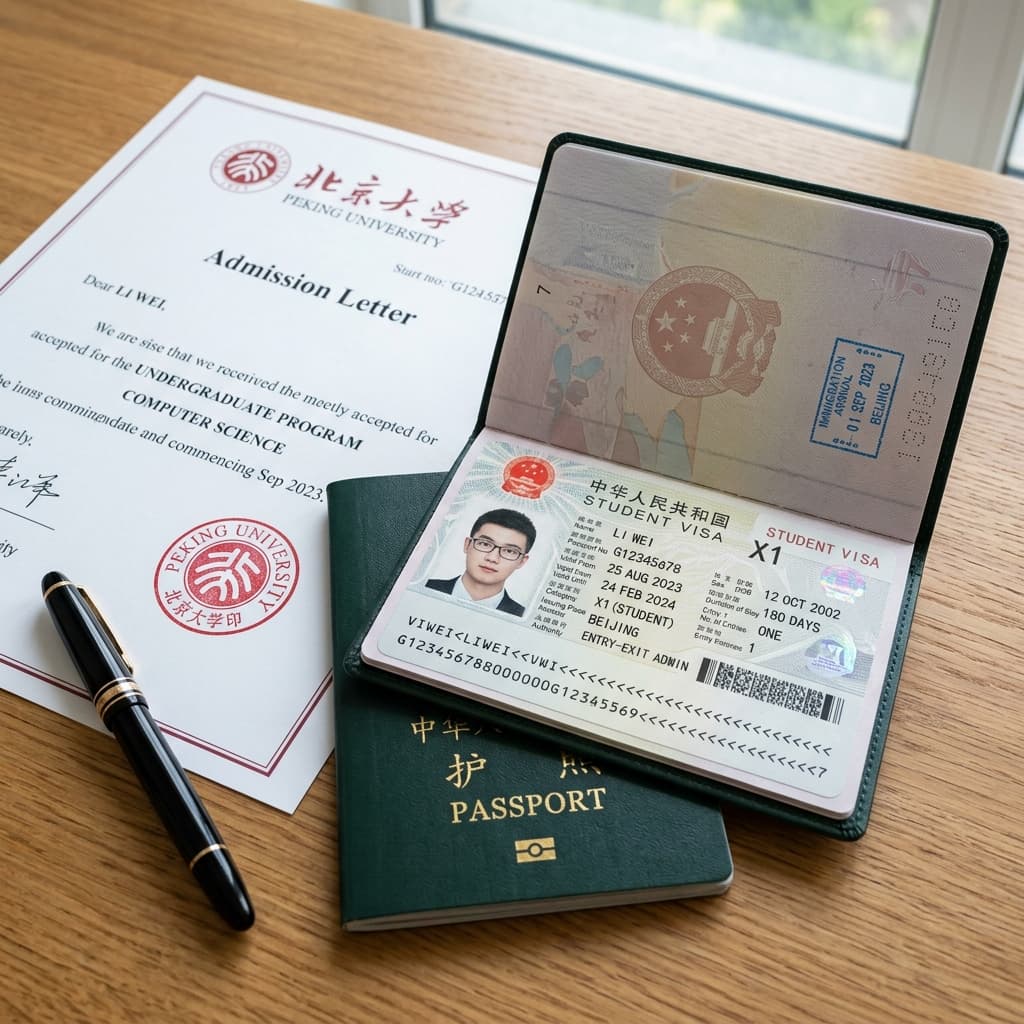
- Open a Local Bank Account: Using your passport, admission letter, and X1 Student Visa, open an account at on-campus branches of ICBC or Bank of China to receive your monthly scholarship stipend.
- Bind WeChat Pay & Alipay: Link your Chinese union debit card to WeChat and Alipay. You can now pay for street food, campus canteens, supermarket groceries, and mobile phone recharges with a quick QR code scan.
- Campus All-in-One Smart Card (Yikatong - 一卡通): Functions as your student ID, dormitory electronic key, library borrowing card, and meal card. It can be topped up directly from your smartphone via Alipay.
Unmatched Safety & Healthcare Security
International scholars frequently cite safety as the single most impressive aspect of living in China. Violent crime and street harassment are virtually nonexistent. Female international students routinely walk across university campuses and city streets late at night in complete peace of mind.
Furthermore, all CSC scholarship recipients and enrolled degree students are covered by the Comprehensive Medical Insurance Scheme for International Students (Ping An Insurance). On-campus university clinics provide consultation for minor ailments (often 5–10 RMB), while affiliated provincial tertiary hospitals handle specialist examinations and emergencies with comprehensive reimbursement.
⚠️ First-Month Survival Advice & Common Pitfalls
1. Download Essential Mobile Apps Before Departure: Install WeChat, Alipay, Baidu Maps (or Apple Maps), Pleco (the ultimate English-Chinese dictionary), and a reliable translation app to navigate effortlessly from day one.
2. Complete Residence Permit Medical Verification Promptly: You must convert your 30-day X1 entry visa into a formal multi-entry Student Residence Permit within 30 days of arrival. Delaying this process incurs statutory fines.
3. Keep Emergency Contact Info Accessible: Save the 24/7 hotline of your university's International Student Office (ISO) and the nearest embassy in your smartphone contacts.
Frequently Asked Questions About Student Life in China
Is Halal food easily available for Muslim students in Chinese universities?
Yes. Over 95% of Chinese public universities operate dedicated on-campus Qingzhen (Halal) dining halls staffed by Muslim Hui and Uighur chefs. Outside campus, Muslim restaurants serving Lanzhou beef noodles and Xinjiang cuisine are widely accessible in every Chinese city.
What are the rules and facilities in Chinese university international student dormitories?
International student dormitories provide furnished single or twin rooms with private en-suite bathrooms, air conditioning, heating, and high-speed Wi-Fi. Common rules include night gate curfews (typically 11:00 PM), registration of outside guests, and fire safety regulations prohibiting high-power cooking appliances in personal bedrooms.
Can international students work part-time while studying in China?
Yes. Under updated Ministry of Education regulations, international students holding a valid residence permit can undertake off-campus part-time work or paid internships after obtaining formal written approval from their university and the local Exit-Entry Administration Bureau.
How safe is everyday student life in China for foreign students?
China is universally recognized as one of the world's safest countries for international students. Campuses maintain 24/7 security personnel and surveillance cameras. Street crime, violent robbery, and harassment are virtually non-existent even late at night.
Do I need to be fluent in Mandarin Chinese to survive daily life on campus?
No. Most degree courses for international scholars are taught 100% in English, and campus signage is bilingual. In daily life, translation features inside WeChat, Alipay, and translation apps make ordering food, shopping, and taking subways effortless while you learn conversational Mandarin.
❓ Frequently Asked Questions
Q1:Is Halal food easily available for Muslim students in Chinese universities?
Yes. Over 95% of Chinese public universities operate dedicated on-campus Qingzhen (Halal) dining halls staffed by Muslim Hui and Uighur chefs. Outside campus, Muslim restaurants serving Lanzhou beef noodles and Xinjiang cuisine are widely accessible in every Chinese city.
Q2:What are the rules and facilities in Chinese university international student dormitories?
International student dormitories provide furnished single or twin rooms with private en-suite bathrooms, air conditioning, heating, and high-speed Wi-Fi. Common rules include night gate curfews (typically 11:00 PM), registration of outside guests, and fire safety regulations prohibiting high-power cooking appliances in personal bedrooms.
Q3:Can international students work part-time while studying in China?
Yes. Under updated Ministry of Education regulations, international students holding a valid residence permit can undertake off-campus part-time work or paid internships after obtaining formal written approval from their university and the local Exit-Entry Administration Bureau.
Q4:How safe is everyday student life in China for foreign students?
China is universally recognized as one of the world's safest countries for international students. Campuses maintain 24/7 security personnel and surveillance cameras. Street crime, violent robbery, and harassment are virtually non-existent even late at night.
Q5:Do I need to be fluent in Mandarin Chinese to survive daily life on campus?
No. Most degree courses for international scholars are taught 100% in English, and campus signage is bilingual. In daily life, translation features inside WeChat, Alipay, and translation apps make ordering food, shopping, and taking subways effortless while you learn conversational Mandarin.
🔗 Recommended Guides for You
Ready to Start Your Journey in China? 🎓
Our expert admission consultants guide you through document notarization, study plan writing, and scholarship submission — 100% Free guidance!